
Skylight Repairs Dublin — Fixed at the Actual Source, Guaranteed
Failed Seals and Condensation
Modern skylights, including most Velux units, are double or triple-glazed with a sealed gas gap between panes that provides insulation.
Over years of temperature cycling, that seal can fail, letting moisture into the gap between panes — which shows up as persistent fogging or misting between the glass layers that won't clear no matter how much you clean the inside or outside surface.
This is a unit failure, not a fitting problem, and it's easy to mistake for condensation caused by poor room ventilation. The real test is whether the fogging is between the panes (unit failure, needs replacing) or on the inside surface facing the room (a ventilation or humidity issue, not the skylight's fault at all).
We check which one it actually is before recommending anything, since replacing a unit that was never faulty doesn't solve a damp problem coming from inside the house.

Fully Insured, No Call-Out Fees, Fast Response
Signs Your Skylight Needs Attention
Fogging or condensation between the glass panes that doesn't clear with cleaning is a clear sign of a failed seal within the unit itself, not a cleaning or ventilation problem.
A water stain or damp patch on the plasterboard around the skylight frame, especially one that worsens during or after rain, usually points to a flashing or fitting issue rather than the glass unit — it's worth having both checked rather than assuming it's the glass.
Visible daylight or drafts around the frame edge from inside the room is a fairly direct sign the flashing or seal around the unit has failed, even without an active leak yet.
A skylight that's noticeably harder to open, close, or lock than it used to be can point to frame movement or warping, which is worth catching before it also compromises the weatherproofing around the unit.


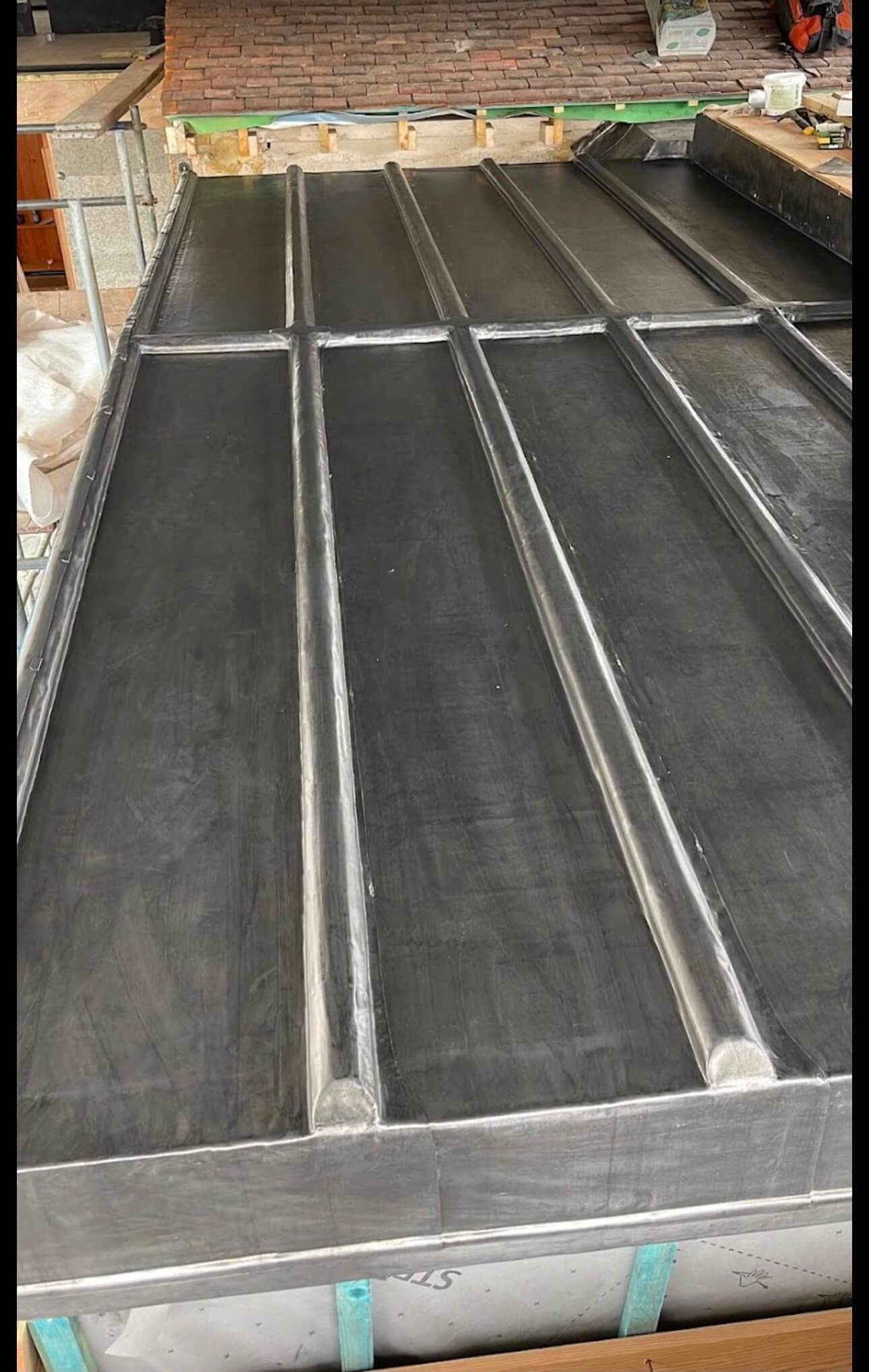
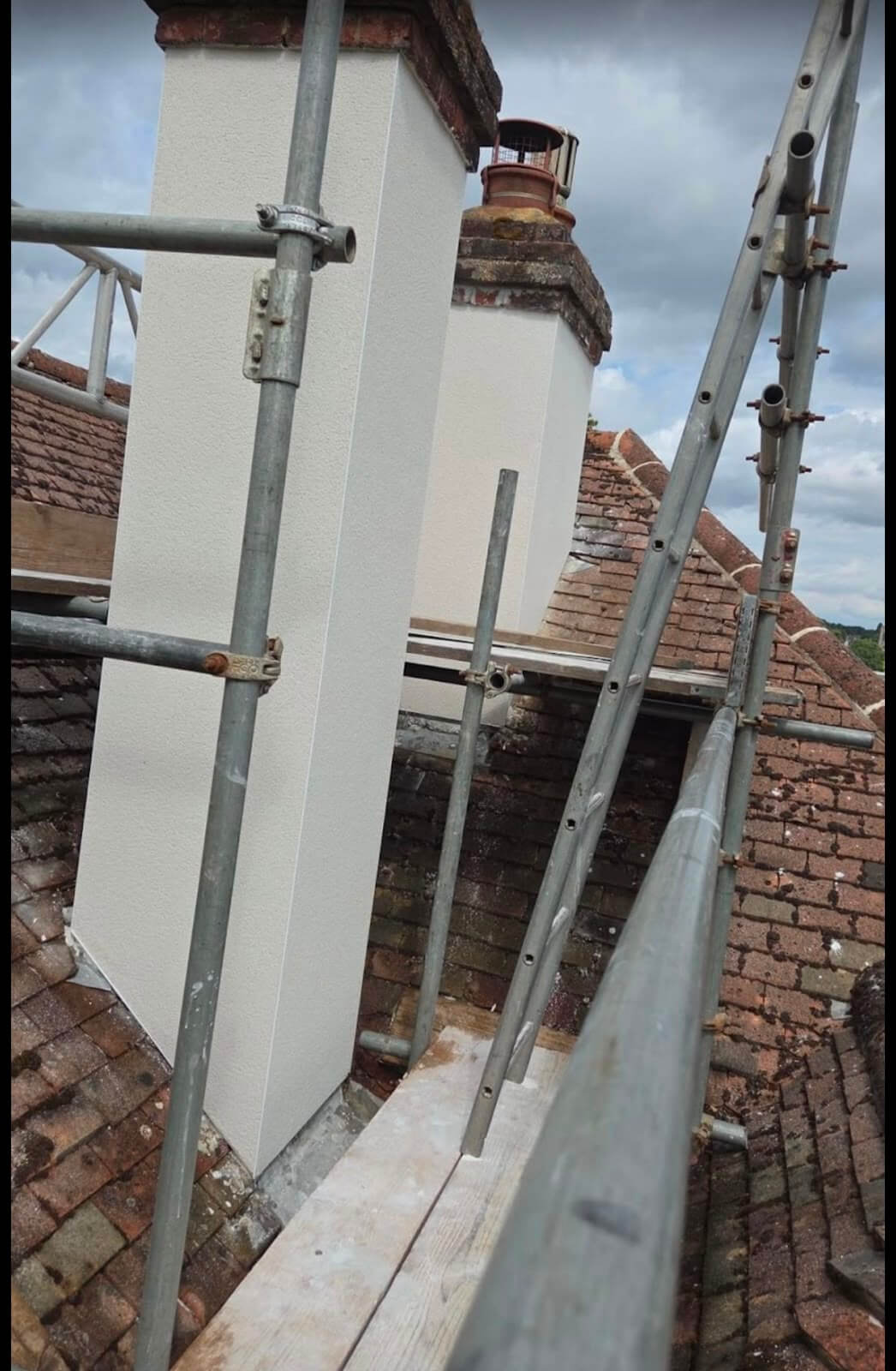
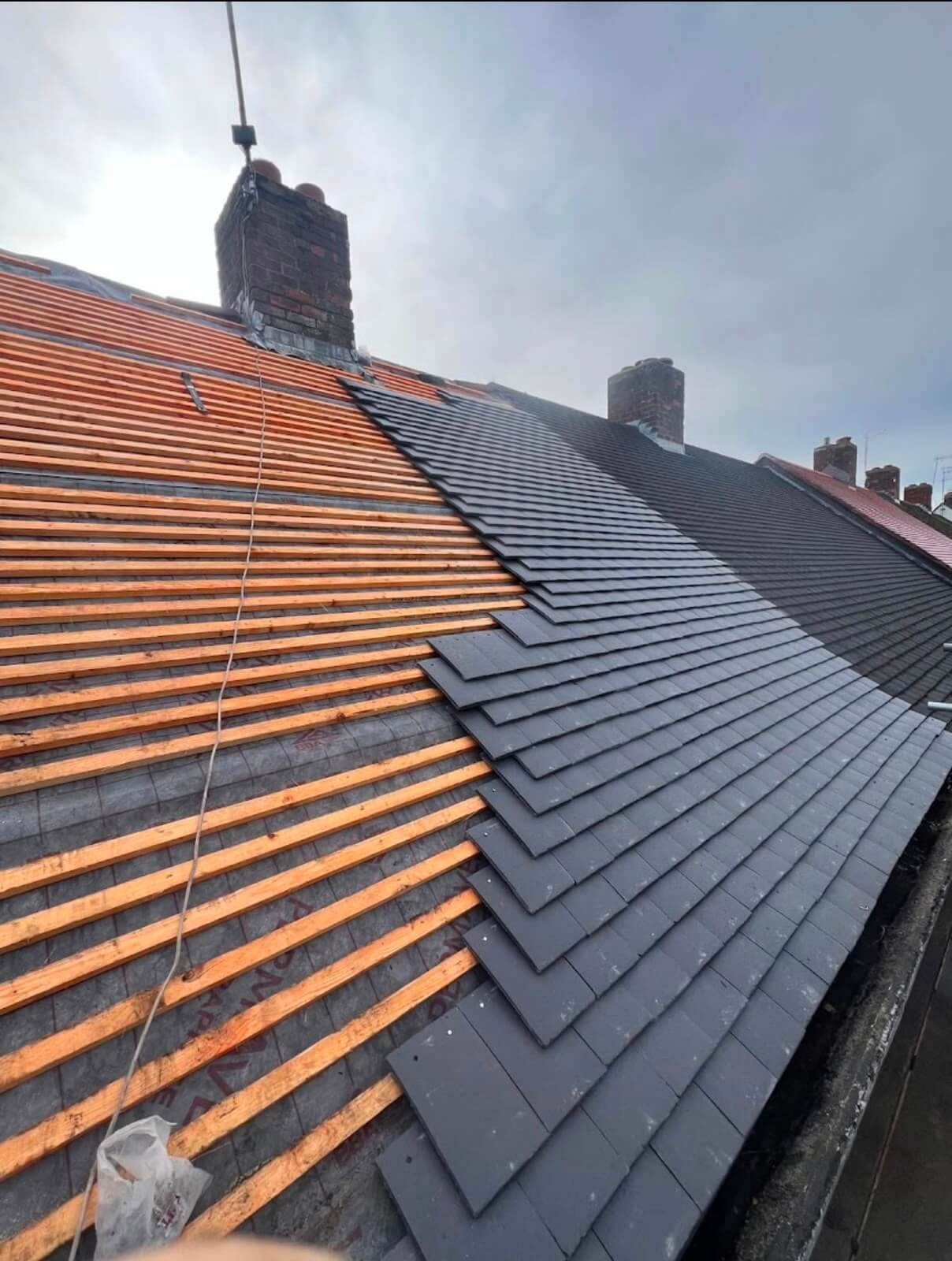
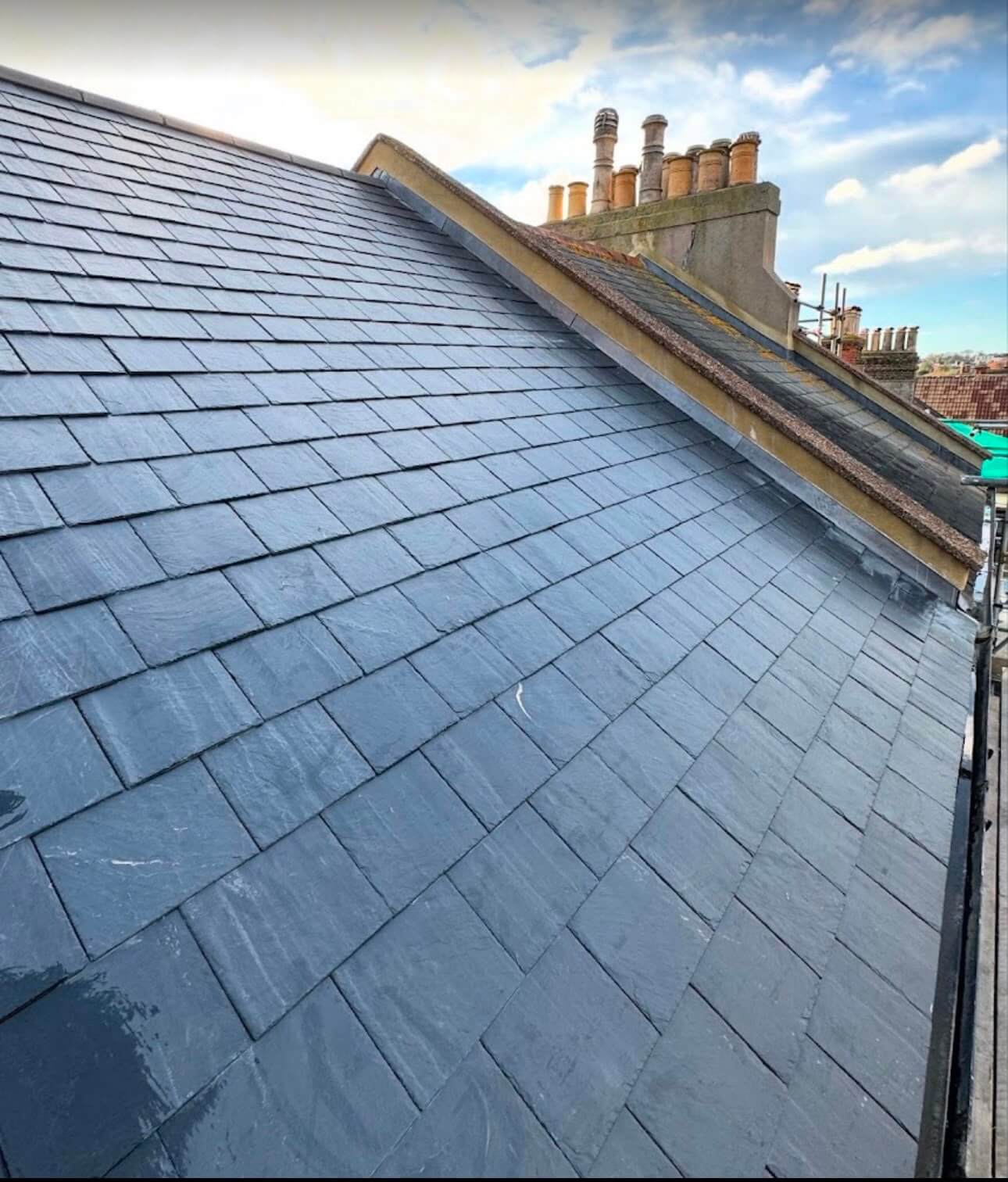
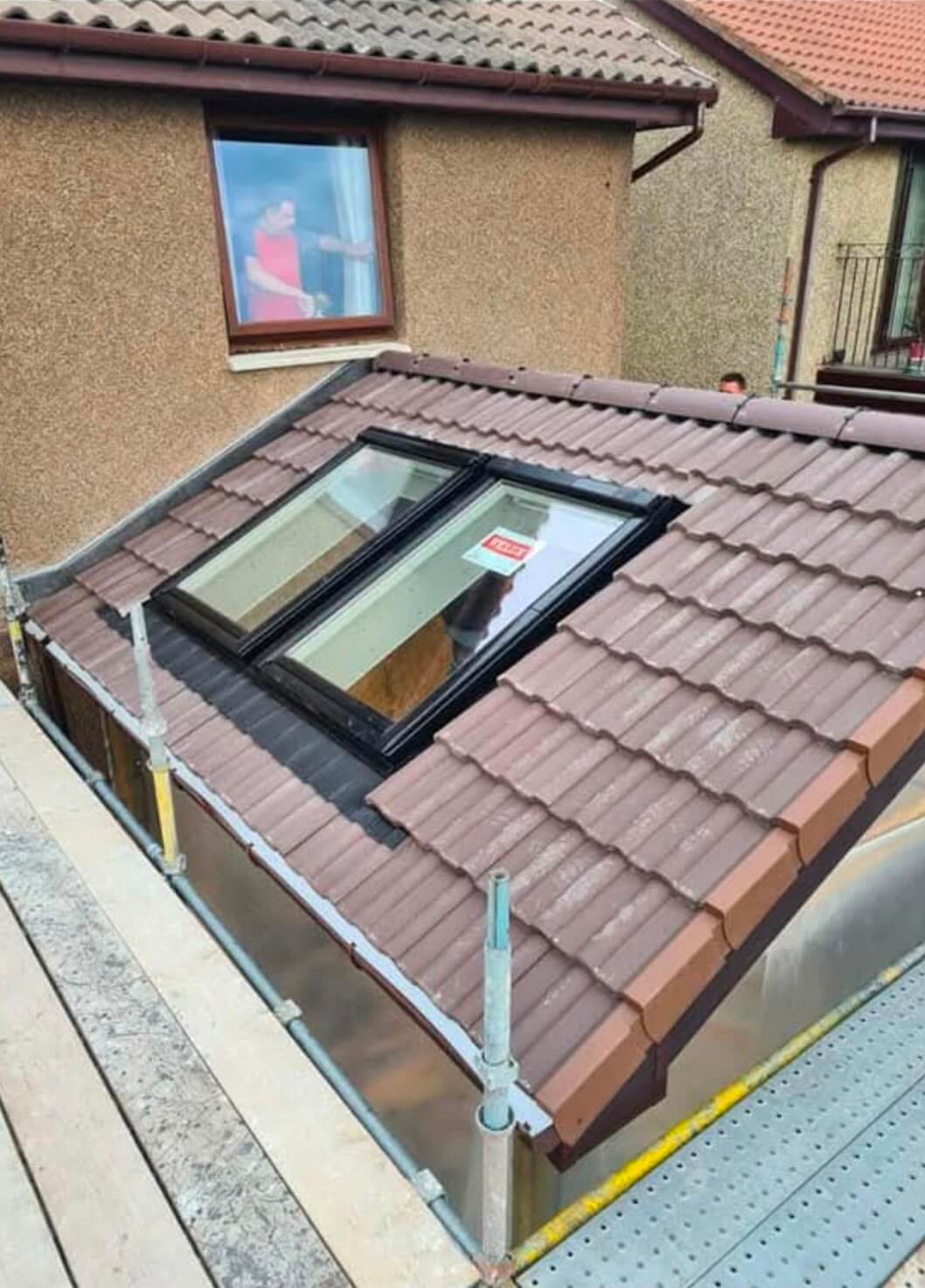
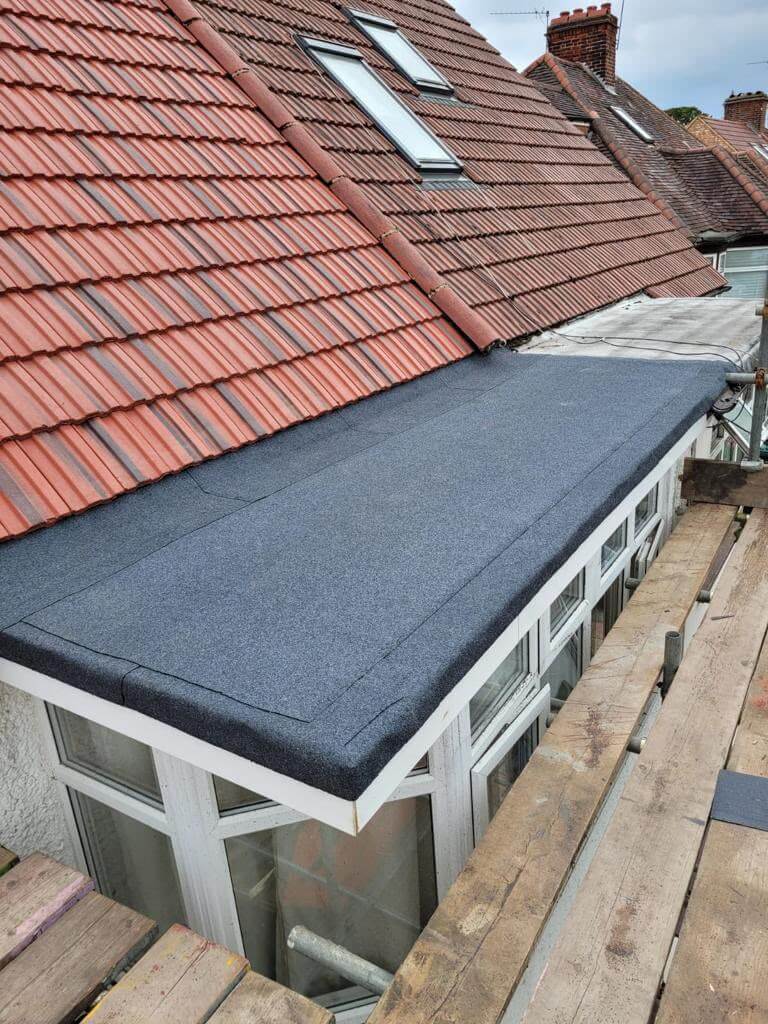
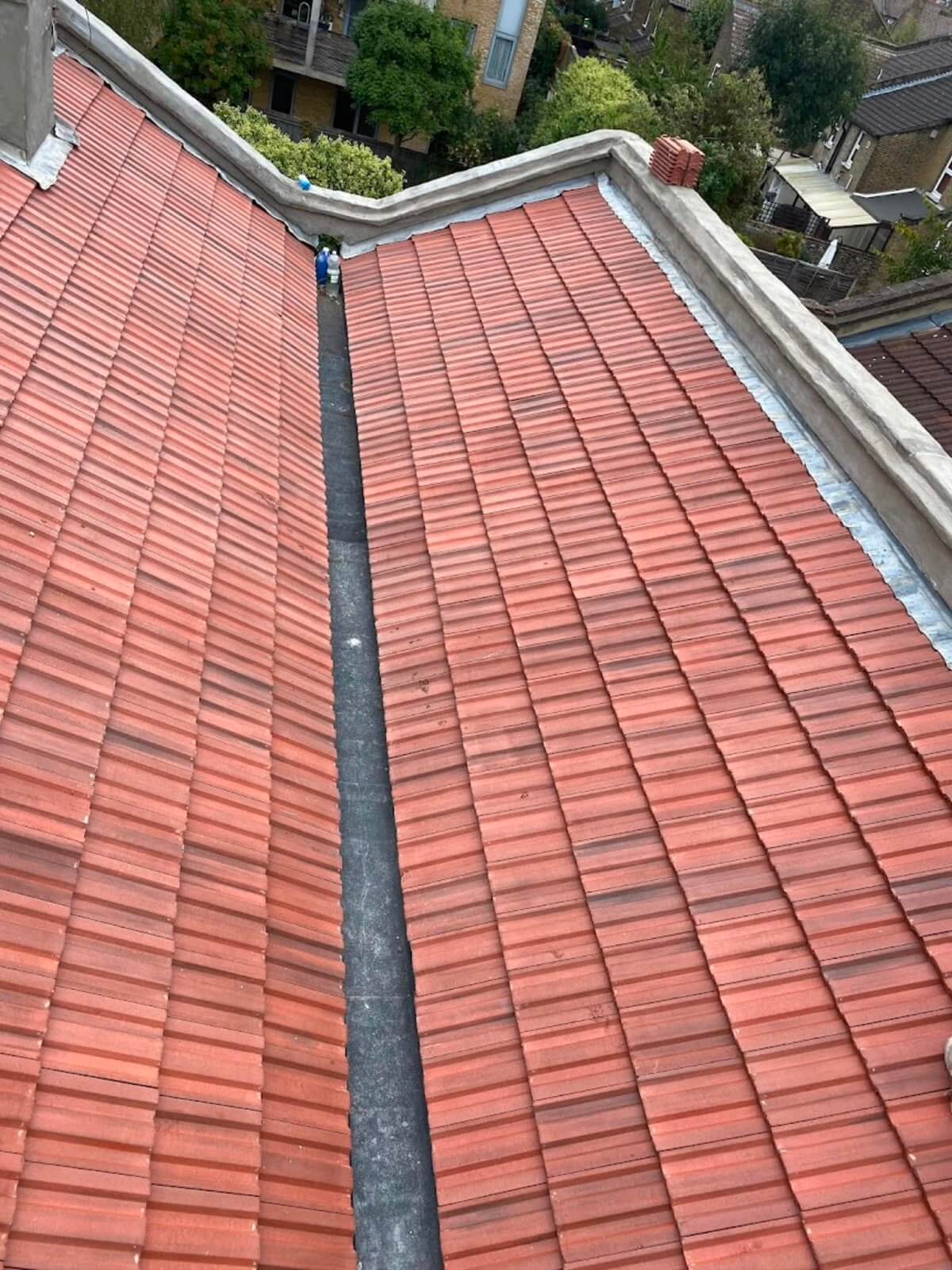
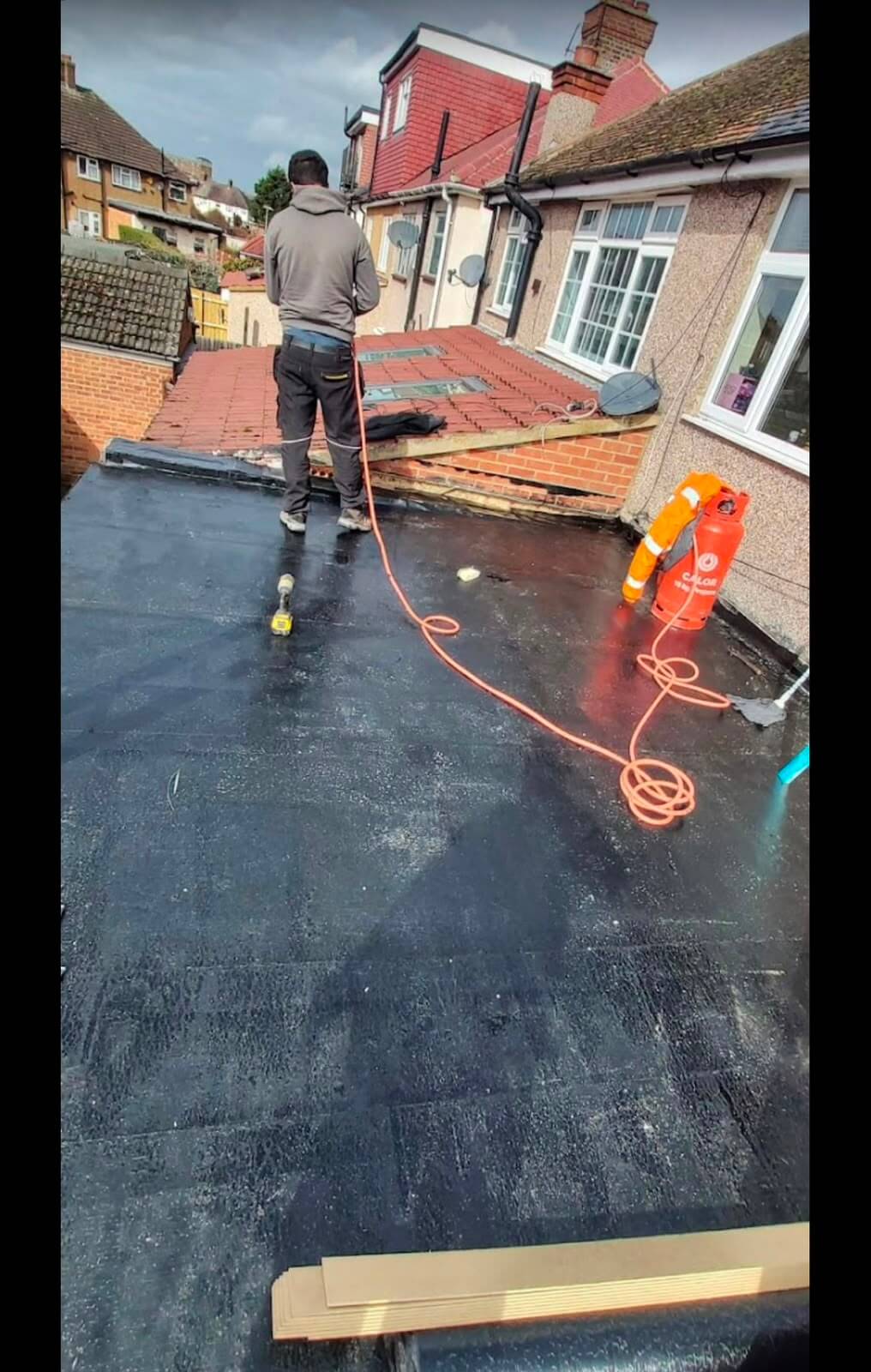
Recent Work We Done In Dublin
Two Very Different Problems, Often Mistaken for Each Other
Most skylight issues fall into one of two completely different categories, and they get fixed in completely different ways — which is why a lot of skylight "repairs" don't actually hold. One is a problem with the unit itself, and the other is a problem with how it was fitted into the roof. Diagnosing which one you've actually got before touching anything is the difference between a repair that lasts and one that's back leaking within a year.
Flashing and Fitting Failures
The second, and more common, cause of a leaking skylight has nothing to do with the glass at all — it's the flashing kit around the unit, which seals the join between the skylight frame and the surrounding roof covering.
Every skylight needs a flashing kit matched to the roof material it's being fitted into (slate, tile, flat roofing all require different detailing), and a kit that's the wrong type, poorly fitted, or has simply degraded over time will let water in around the edges of an otherwise perfectly good unit.
This is the failure type we see most often on older installations, particularly where a skylight was fitted as part of an attic conversion some years ago and the flashing has never been checked since.
Water tracks in around the frame edge rather than through the glass, which means a leak can look identical to a unit failure from inside the room, even though the fix is completely different — refitting and dressing the flashing properly, not replacing the skylight itself.
Frequently Asked Skylight Questions
My skylight is fogged between the panes — can that be fixed, or does the whole unit need replacing?
Once the seal between the glass panes has failed, the moisture inside that gap can't be removed without breaking the seal further, so it genuinely does need replacing rather than repairing. The good news is that in most cases it's the glazed unit itself that needs swapping, not necessarily the entire frame, if the frame and flashing are otherwise sound.
I've had my skylight resealed twice already and it's still leaking. What's actually going on?
This is one of the most common calls we get, and it's almost always because the original repair addressed the visible symptom rather than the actual fitting problem underneath. Sealant over a flashing issue will always fail again, usually faster the second time, because the underlying problem was never fixed. We'd want to check the flashing properly rather than resealing a third time.
Is it worth repairing an old skylight, or should I just replace it?
If the frame and flashing are sound and the issue is isolated to a failed seal or a specific fitting problem, repair is usually the sensible option. If the unit is old enough that parts aren't readily available, or there's damage beyond the seal itself, replacement often ends up being the more cost-effective route long-term — we'll give you an honest comparison rather than defaulting to whichever is more profitable for us.
Can a skylight be added to a roof that doesn't currently have one?
Yes, provided the roof structure and covering are suitable for it — this involves cutting into the roof structure properly, forming the opening correctly, and fitting a flashing kit matched to your specific roof material. It's a bigger job than a like-for-like replacement, and we'll walk you through what's actually involved before any work starts.
Do all skylights use the same type of flashing?
No — flashing kits are matched to the roof covering they're going into, so a kit designed for slate isn't the same as one for tile or flat roofing, and using the wrong one is a common cause of leaks on skylights that were otherwise correctly installed. We always fit the flashing matched to your actual roof type.


More Roofing Services We Offer
One roofer, one crew, every job across Dublin, Kildare, and Wicklow — no subcontractors, no rotating faces, just written guarantees on everything we touch.


Get Your Skylight Looked At Properly
Whether it's fogging between the panes, a leak you can't quite place, or a skylight that's simply due a proper check, get it assessed honestly before deciding what it needs.
Call us now — free inspection, same-day response, 15-year guarantee on all repair work.
