
Roof Repairs Dublin — Fixed Properly, Guaranteed for 15 Years
What Kind of Repair Are You Dealing With?
Not sure how serious it is or what caused it? Here's what we see most often across Dublin roofs, and what a proper fix actually involves.
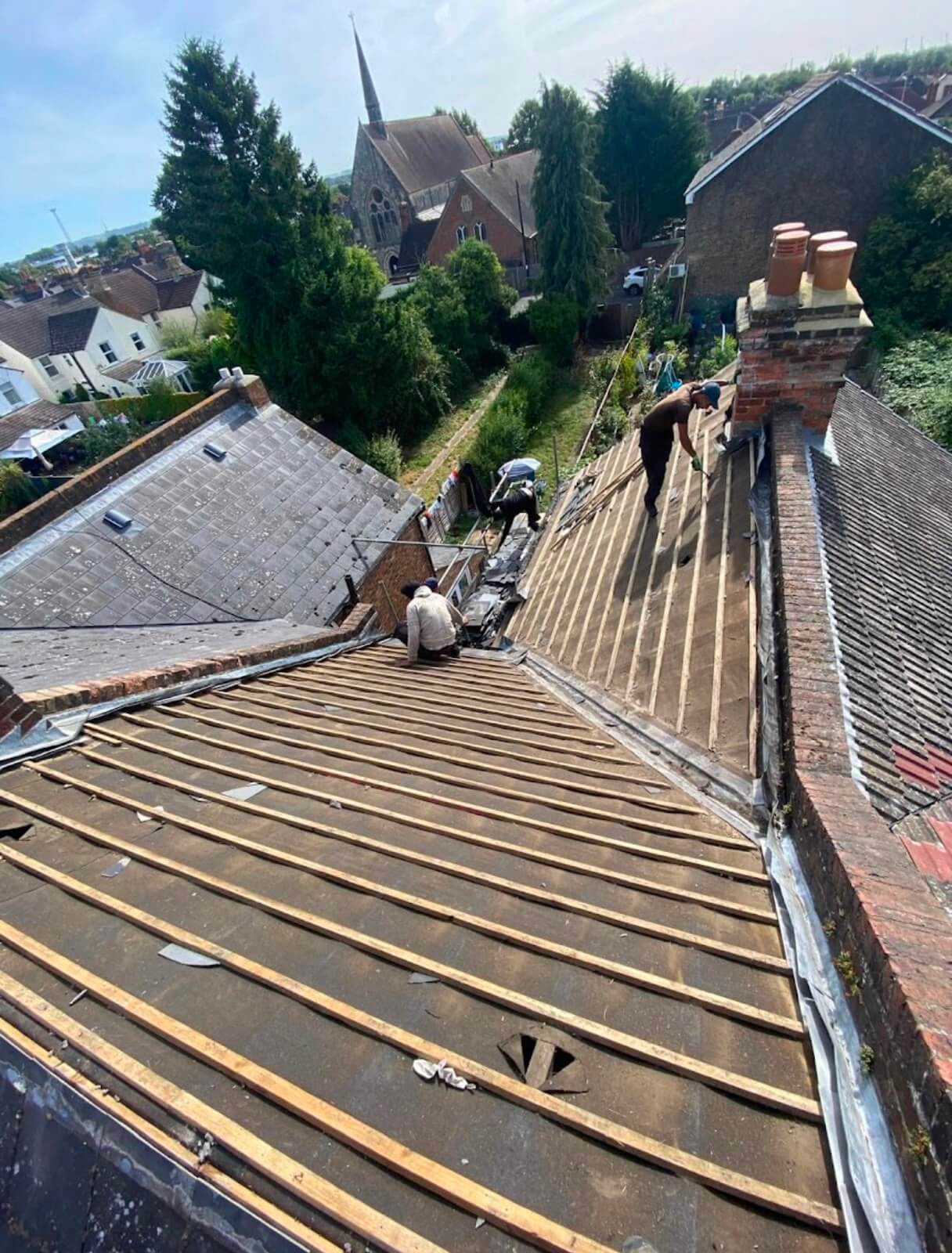
Slipped, Cracked, or Missing Slates
Usually wind getting under a slate with a failing nail — old fixing nails rust through over decades ("nail sickness"). One slipped slate often means the ones nearby are next. A proper repair checks the surrounding slates too, not just the obvious gap.
Storm and Wind Damage
Dublin's worst damage comes in autumn/winter, when wind and heavy rain hit together — dislodged slates, torn flashing, damaged felt on flat sections. Priority is stopping water ingress fast, with photos taken for any insurance claim.
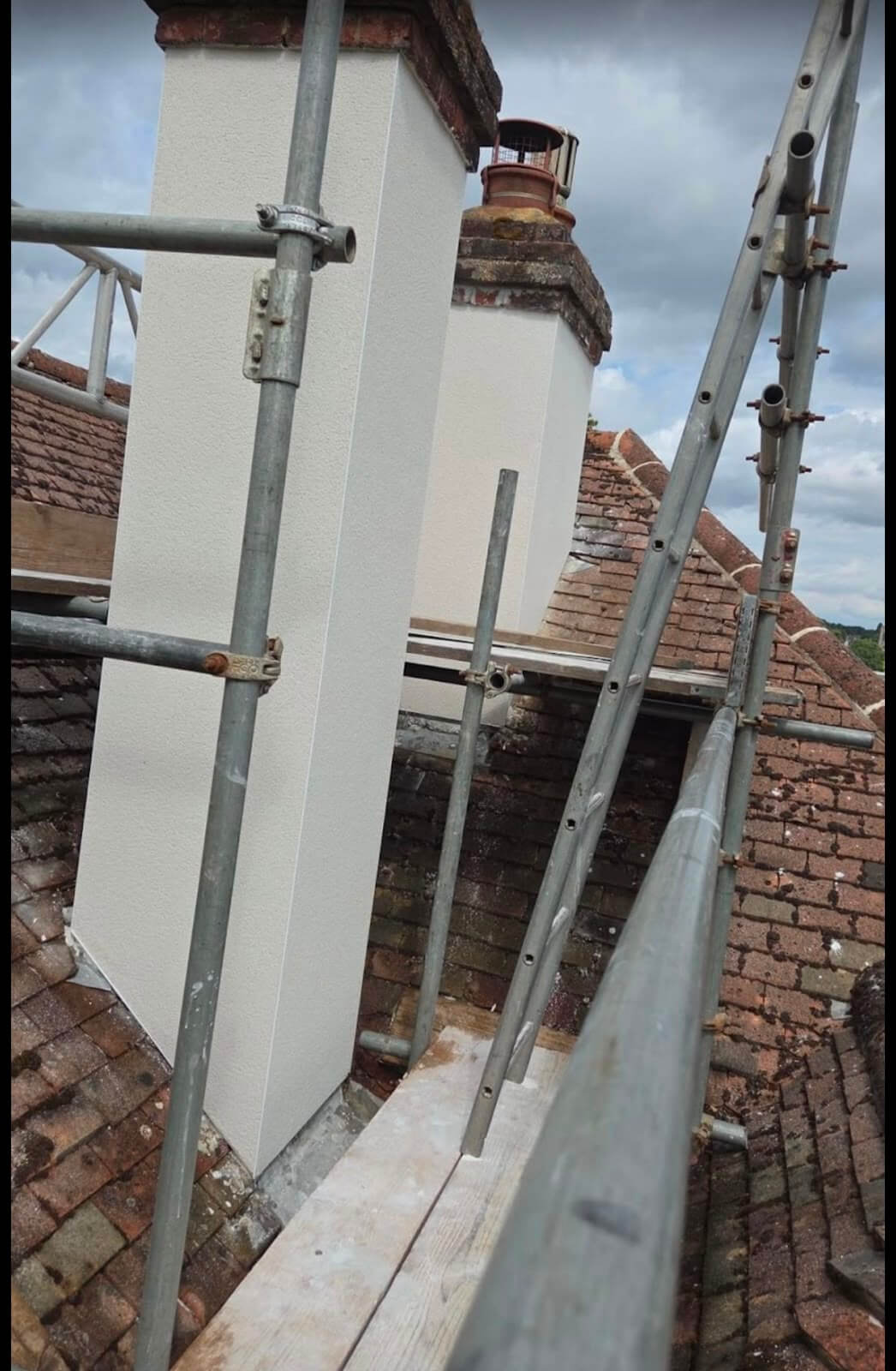
Flashing and Valley Failure
The lead or metal sealing around chimneys and joints fails quietly — no visible gap, just a damp patch that comes and goes. It's the most missed cause of "mystery leaks." A proper fix means refitting it correctly, not sealant over the edge.
Active Leaks You Can't Locate
Water tracks along rafters and underlay before it shows up on your ceiling, often well away from the actual entry point. Needs someone in the attic with a torch, not guesswork from the ground.
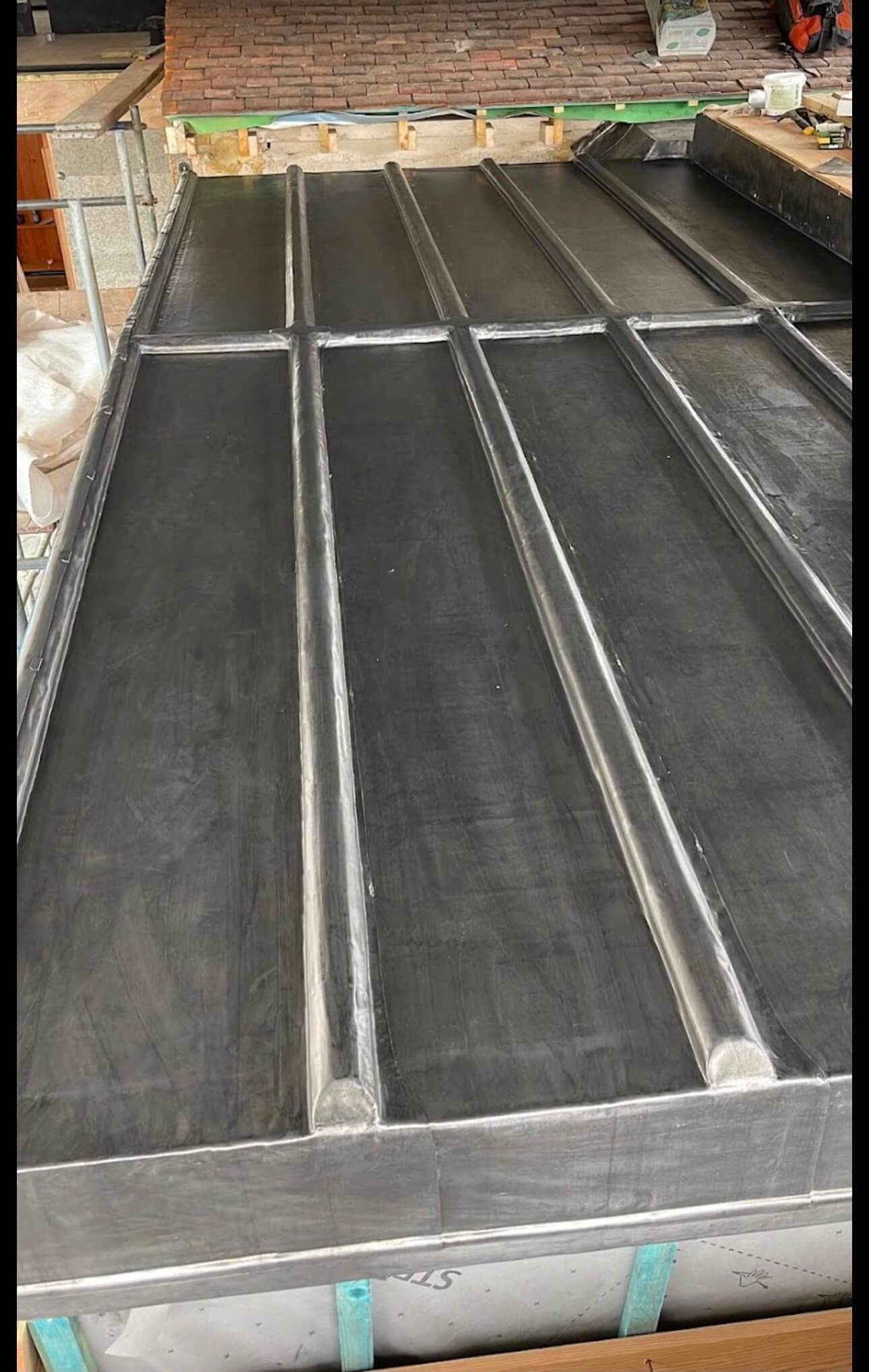
Flat Roof Leaks
Usually fail at joints and upstands, not the flat area itself. Standing water more than 48 hours after rain means the drainage fall has failed — a patch won't fix water with nowhere to go.
If nothing here quite matches, call and describe it — most roofs we go out to have more than one thing going on.
Fully Insured, No Call-Out Fees, Fast Response
Repair or Replace Your Roof? An Honest Answer
This is the question that actually matters most, and it's the one most roofing websites avoid answering because a repair is a smaller invoice than a replacement. Here's a genuinely useful way to think about it:
Repair is usually the right call when: the damage is isolated to a specific area (a handful of slates, one section of flashing, one leak source), the roof structure and majority of the covering are still sound, and the roof is less than around two-thirds through its expected lifespan for the material it's made of.
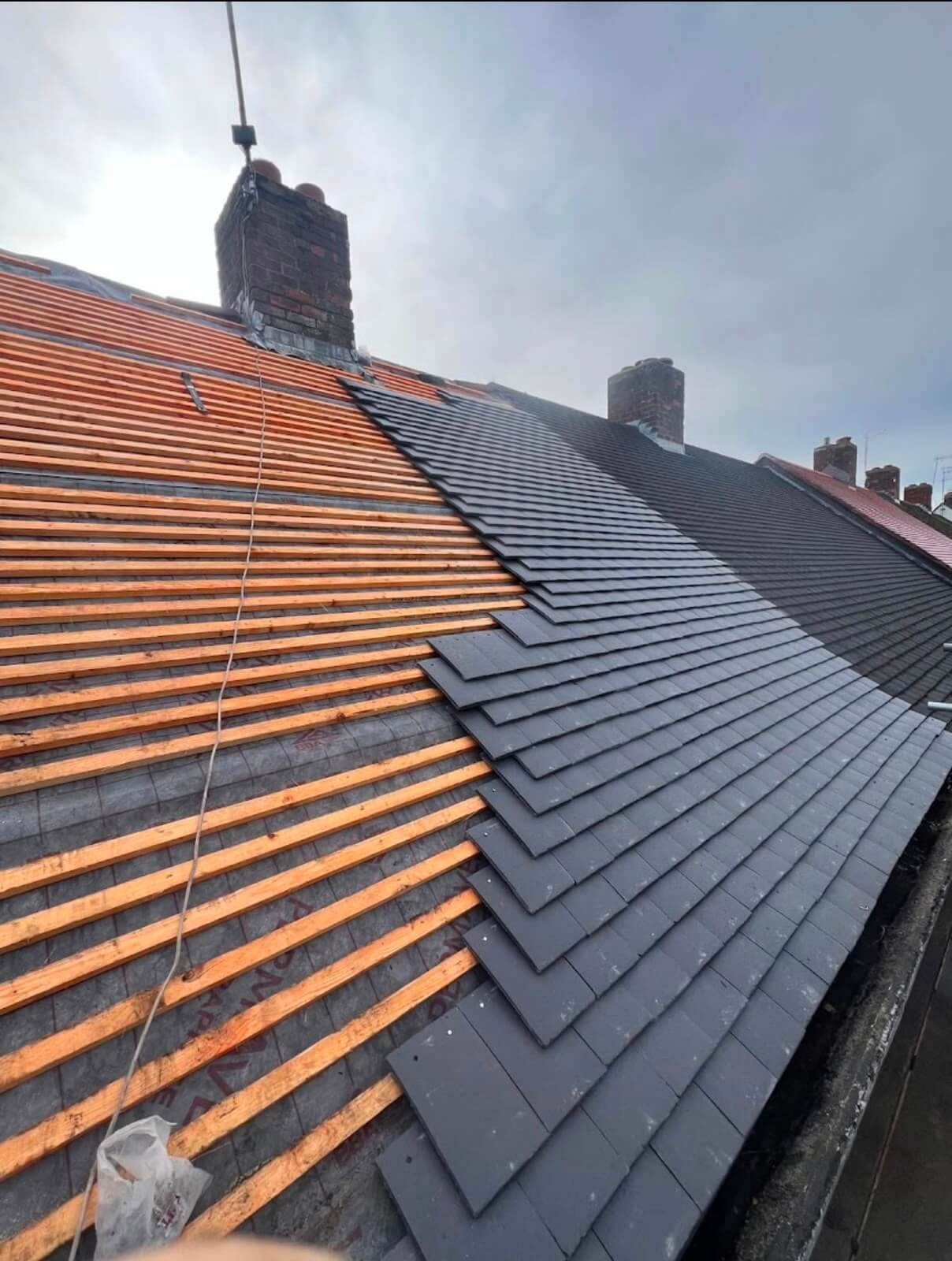
Replacement becomes the more sensible option when: repairs are becoming a recurring pattern rather than a one-off (three call-outs in two years is a signal, not bad luck), the roof covering is uniformly aged and brittle rather than damaged in one spot, or an inspection turns up structural issues — rotten sarking boards, sagging rafters — that a surface repair can't address because the problem is underneath what you can see.
The honest middle ground: sometimes a roof needs a substantial repair now and a full replacement is a realistic conversation for two or three years out, not immediately. We'll tell you which situation you're actually in, including when the answer is "this can wait," because a repair that's postponed unnecessarily costs you nothing, and a replacement pushed on you before it's needed costs you a lot.


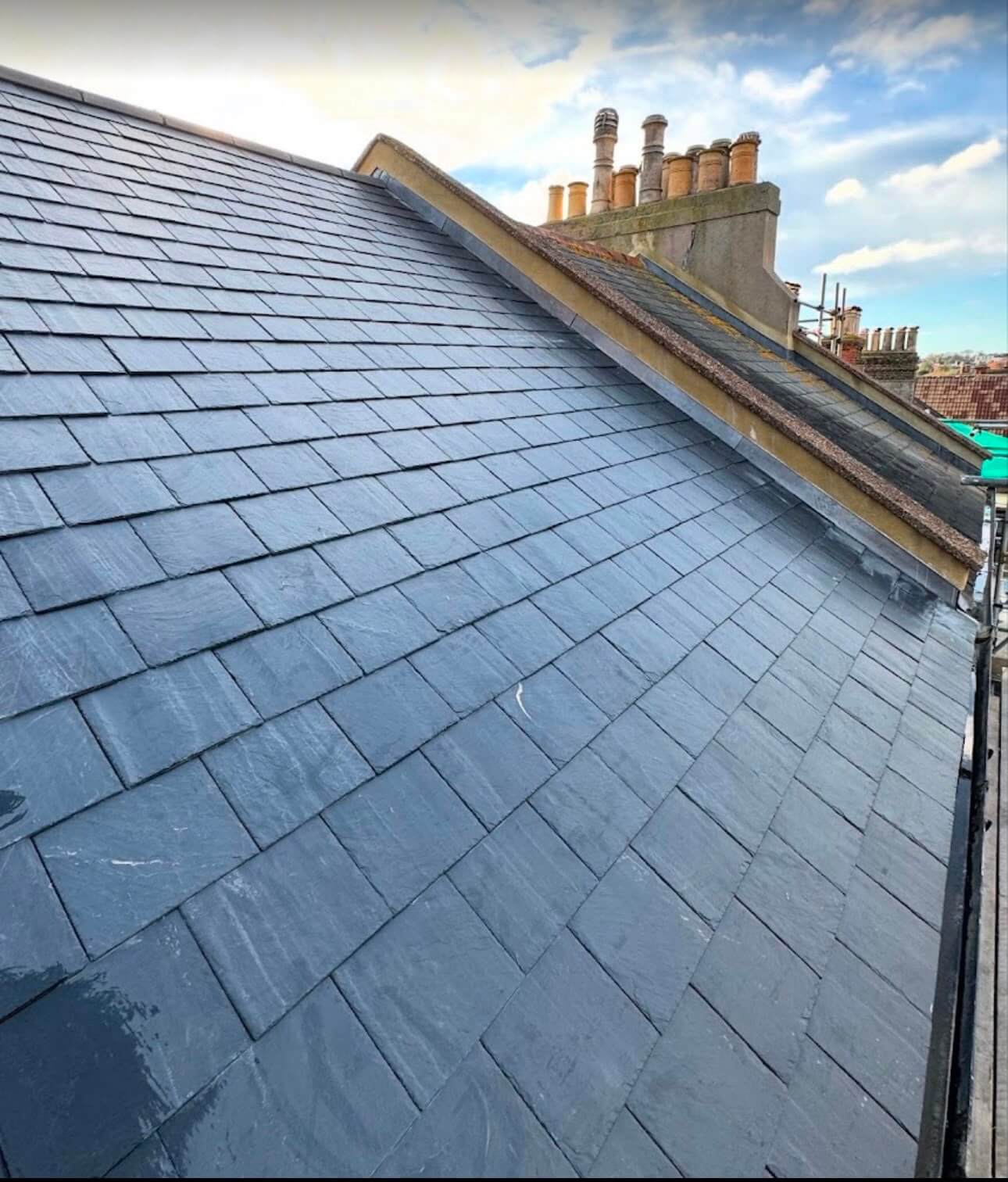
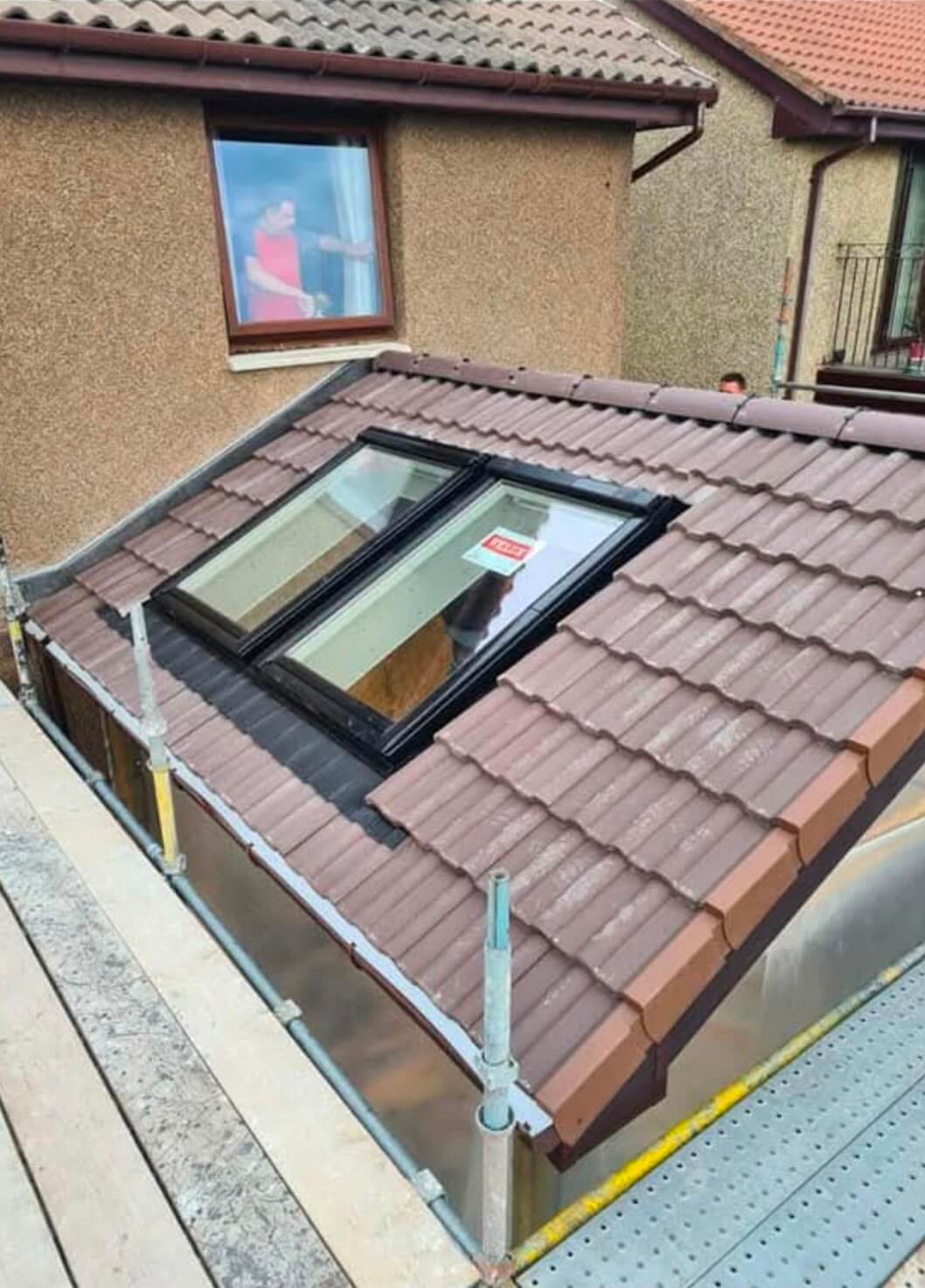
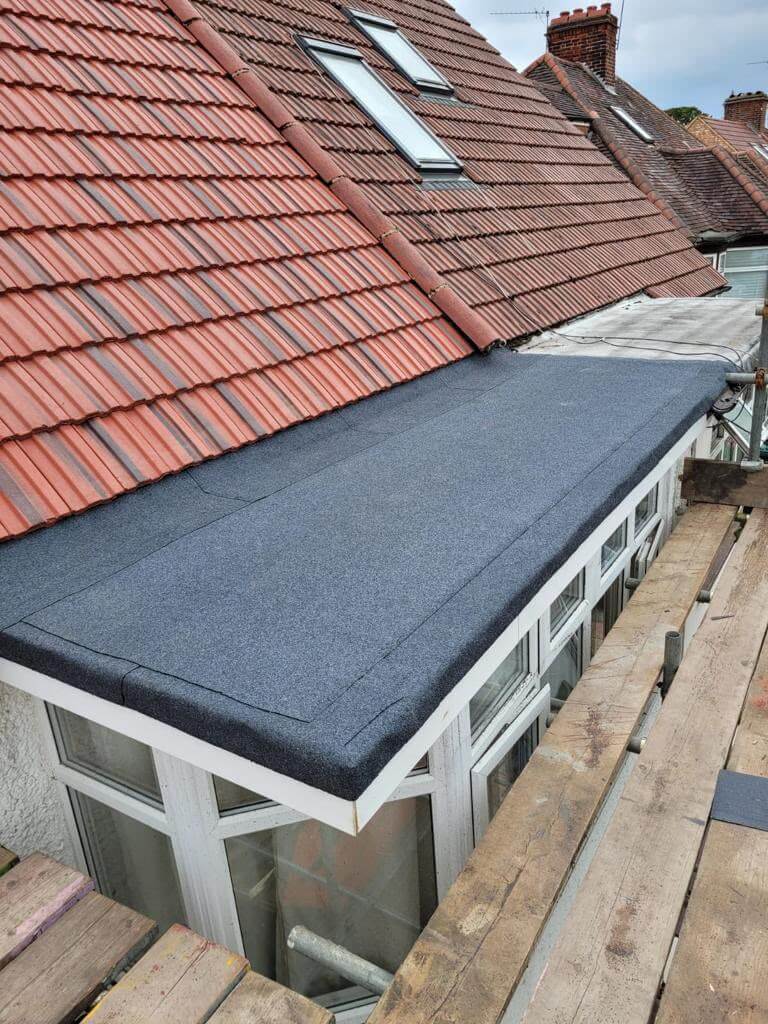
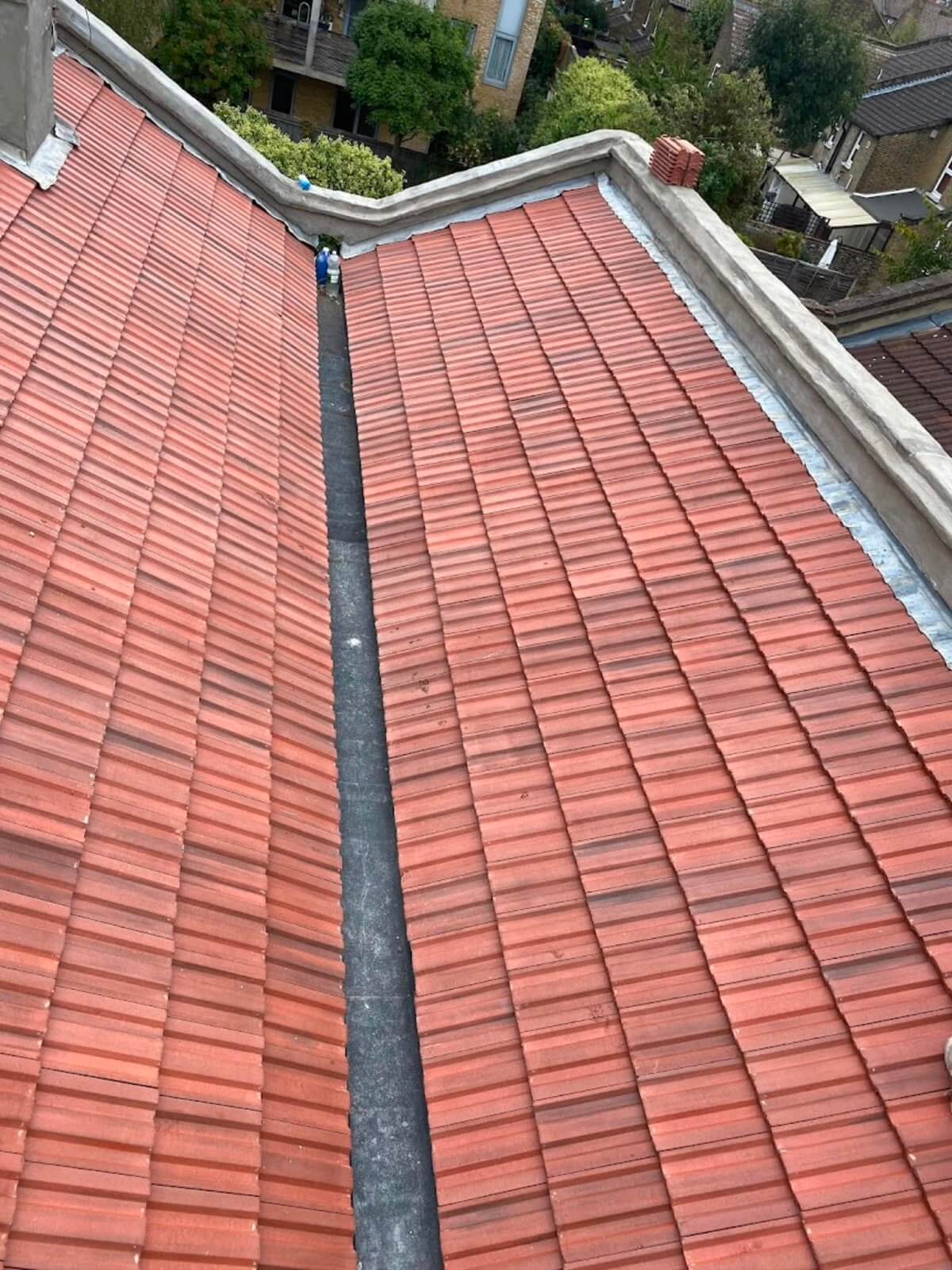
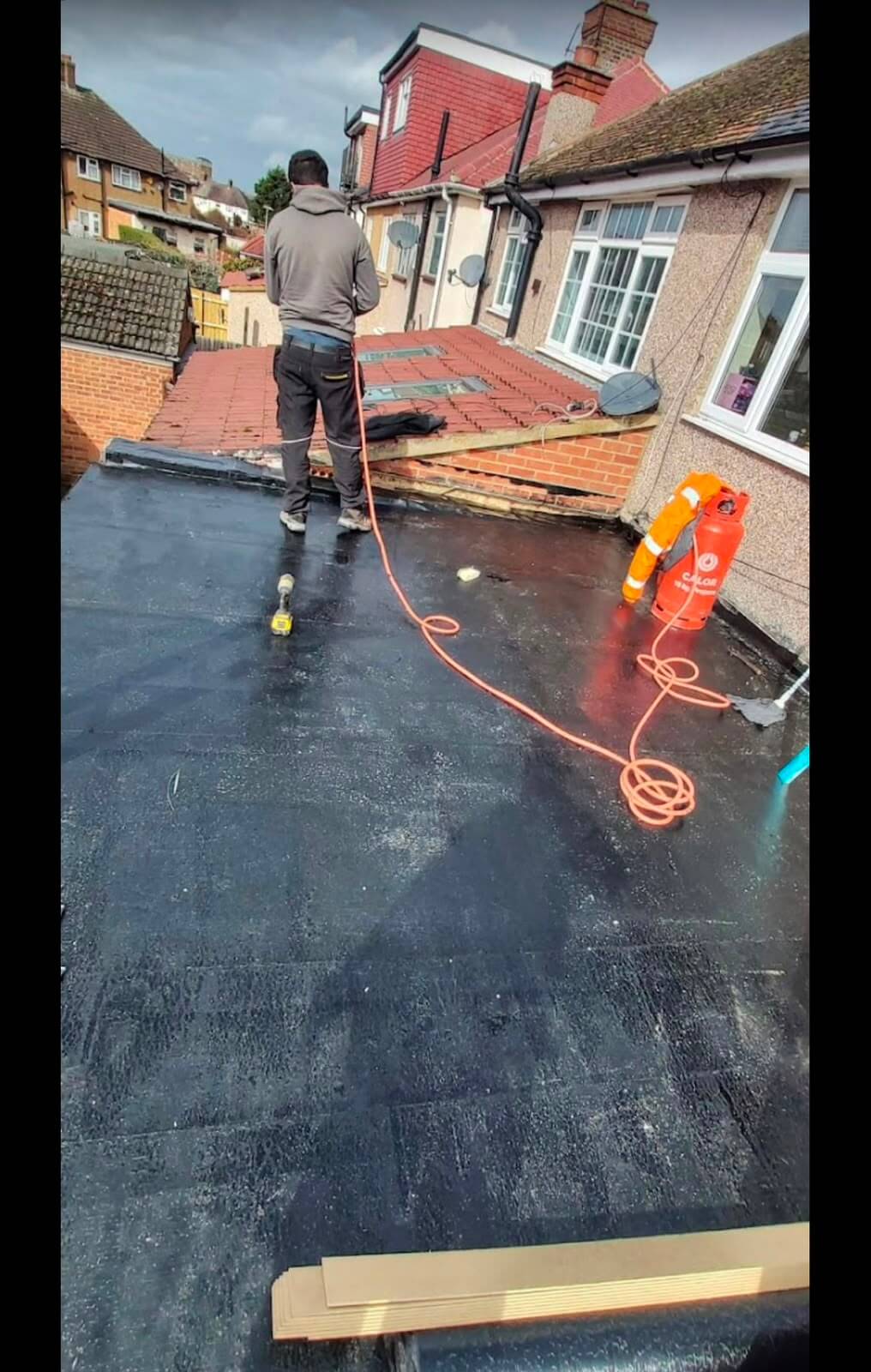
Recent Work We Done In Dublin
If You're Making an Insurance Claim
Storm damage is one of the few home insurance claims most policies cover reasonably well, but claims move faster and more smoothly with proper documentation.
When we inspect storm-related damage, we photograph the affected area before touching anything, note the likely cause, and can provide a written summary of what we found if your insurer requires one.
If you're unsure whether your situation is worth claiming on your policy versus simply paying for the repair, ask us honestly when we're out — we'll tell you what we'd do in your position, not just quote the higher route.
What Affects the Cost of a Roof Repair
Every roof repair is priced individually after inspection, but the same handful of factors drive the cost up or down on nearly every job:
- Access — a repair on a ground-floor extension roof is a different job to one requiring scaffolding on a three-storey terrace house
- Roof pitch — steeper roofs take longer to work safely and require more setup
- Material match — sourcing a specific slate type or an aged tile colour can add cost versus a standard replacement material
- Extent of the damage once we're actually up there — sometimes what looks like one slipped slate from the ground turns out to be a wider batten or felt issue underneath, and sometimes what sounds serious over the phone is a fifteen-minute fix
- Whether it's a straightforward repair or a diagnostic job — tracking down a leak with no obvious source takes longer than replacing a slate you can already see is missing
We give a full written quote after inspection, before any work starts, and the inspection itself costs nothing.
Frequently Asked Roofing Questions
I had a slate replaced by someone else last year and it's happening again in the same spot. Why?
Almost always because the surrounding slates were never checked when the original repair was done. If one slate has failed from nail sickness, the ones around it on the same batch of nails are usually not far behind — replacing just the one that's visibly gone is a common shortcut that guarantees a repeat call-out.
Is a small leak really worth calling someone out for, or can it wait until it gets worse?
It's worth a call now. Water doesn't stay in one place — it tracks along timber and underlay before it ever shows up as a stain, so by the time you can see it, it's often already affected more of the roof structure than the visible mark suggests. An inspection costs nothing, and knowing whether it's urgent or genuinely fine to leave for now is better than guessing either way.
How do I know if it's actually a repair or if I'm being talked into a replacement I don't need?
Ask for the reasoning, not just the recommendation. A legitimate case for replacement over repair should point to something specific — recurring failures, structural timber condition, the age and general condition of the covering — not just "it'd be better to do the whole thing." If a roofer can't explain why repair isn't a realistic option, that's worth questioning.
Can you repair a roof that isn't the original material — like if a previous owner mixed slate types or added a different tile?
Usually yes, though matching becomes the main consideration rather than the repair itself. We'll be upfront if an exact match isn't realistically available and talk through the options — closest match, a different but complementary material, or sourcing reclaimed material for older roofs where that matters more.
Do you repair roofs on older Dublin houses differently to newer estates?
The underlying skills are the same, but what tends to go wrong differs. Older terrace and redbrick roofs more often have flashing and valley issues, parapet-related water tracking, and aged fixings across the board. Newer estate roofs more often show isolated storm damage or a single failed area rather than roof-wide ageing. We assess each roof on what's actually there, not what its build era usually suggests.


More Roofing Services We Offer
One roofer, one crew, every job across Dublin, Kildare, and Wicklow — no subcontractors, no rotating faces, just written guarantees on everything we touch.


Get Your Roof Looked At Properly
If something's wrong with your roof and you're not sure how serious it is, that uncertainty is the actual problem — not the slate that's missing or the stain on the ceiling. A proper inspection tells you exactly what you're dealing with, in plain terms, with no charge for the call-out and no pressure either way.
