
Gutter Repairs Dublin — Cleared, Repaired, or Replaced
Why Gutters Matter More Than People Think
A gutter's job sounds simple — move rainwater off the roof and away from the house — but when it fails, the damage rarely stays contained to the gutter itself. Water that should be draining away instead ends up running down external walls, pooling at foundations, or backing up under the roofline, and by the time any of that becomes visible inside the house, it's often been happening for months.
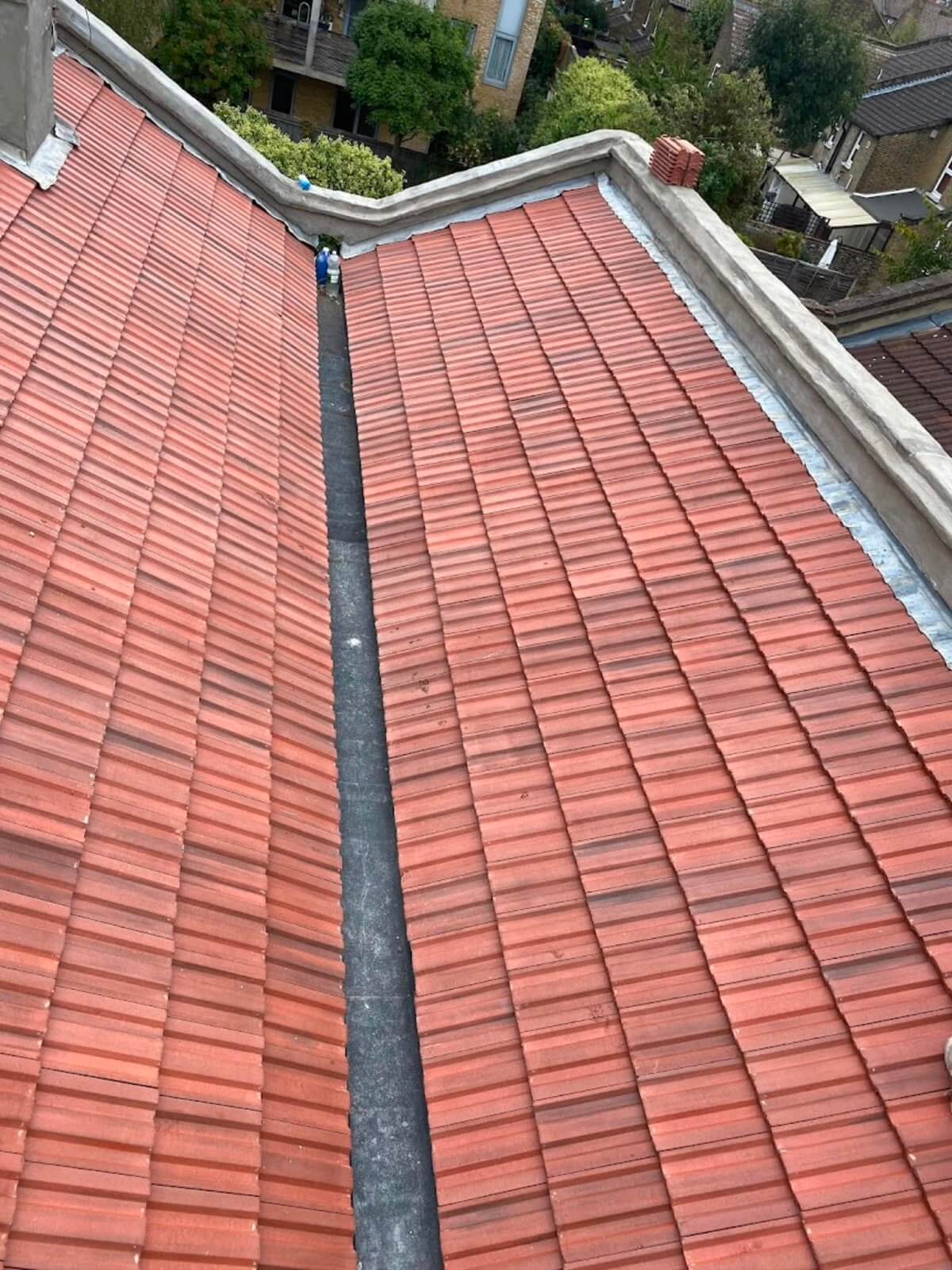
On Dublin's older terraced housing in particular, a lot of properties still have hidden box gutters built behind parapet walls, which are far more prone to silent blockages than a standard visible gutter, since you can't just glance up and see leaves piling up.
A blocked box gutter backs water up into the roof void itself rather than overflowing visibly onto the path below, which is why so many "roof leaks" on older Dublin terraces actually turn out to be a gutter problem once someone actually gets up there and looks.

Fully Insured, No Call-Out Fees, Fast Response
What We See Most Often With Gutters
Blocked and Overflowing Gutters
Leaves, moss, and general debris build up over a season, especially near overhanging trees, and once a gutter's full it simply overflows during rain rather than draining as intended. Left long enough, standing debris also holds moisture against the gutter material itself, which accelerates rust on metal gutters and can crack older plastic ones from the weight and freezing over winter.
Sagging or Pulling-Away Gutters
Gutter brackets are fixed into the fascia board, and once that board starts to rot — often from water damage caused by the gutter problem itself — the brackets loosen and the whole run starts to sag or pull away from the roofline. This is a case where the gutter and the fascia genuinely need addressing together, since fixing one without the other just means the same problem returns once the untreated part fails.
Leaking Joints and Cracked Sections
Gutter runs are made up of connected sections, and the joints between them are where seals most commonly fail over time, particularly on older cast iron or early plastic guttering systems. A leaking joint doesn't always show as an obvious drip — it can run water down the wall behind the gutter instead, which is often mistaken for a roof or render problem rather than the gutter joint actually causing it.
Incorrect Fall Along the Run
Like a flat roof, a gutter needs a slight built-in slope toward the downpipe to actually drain properly. Where a run has settled unevenly or was never fitted with adequate fall, water sits in sections rather than flowing to the outlet, which leads to standing water, algae growth, and eventually the gutter material failing faster than it should from constant saturation.


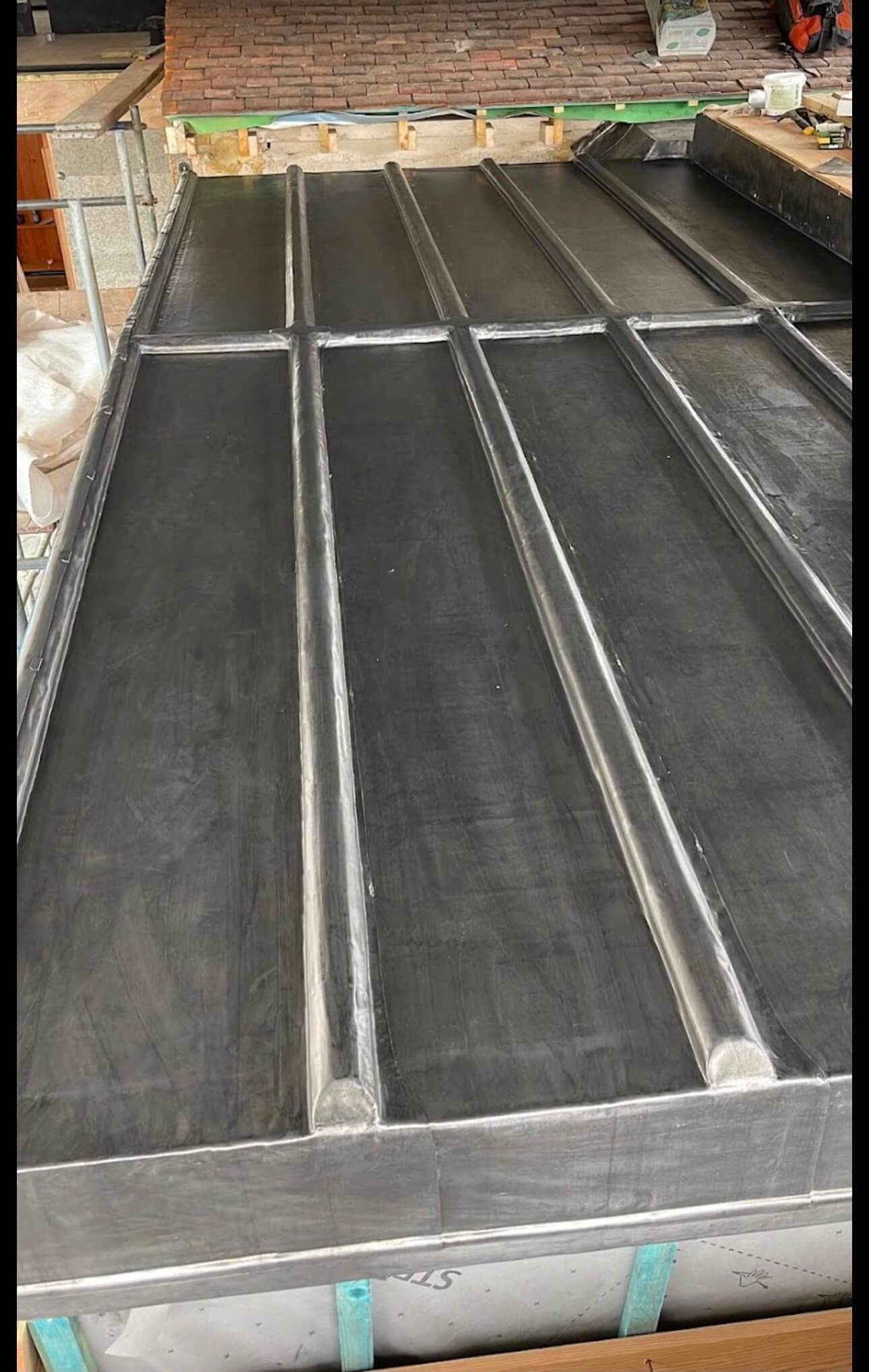
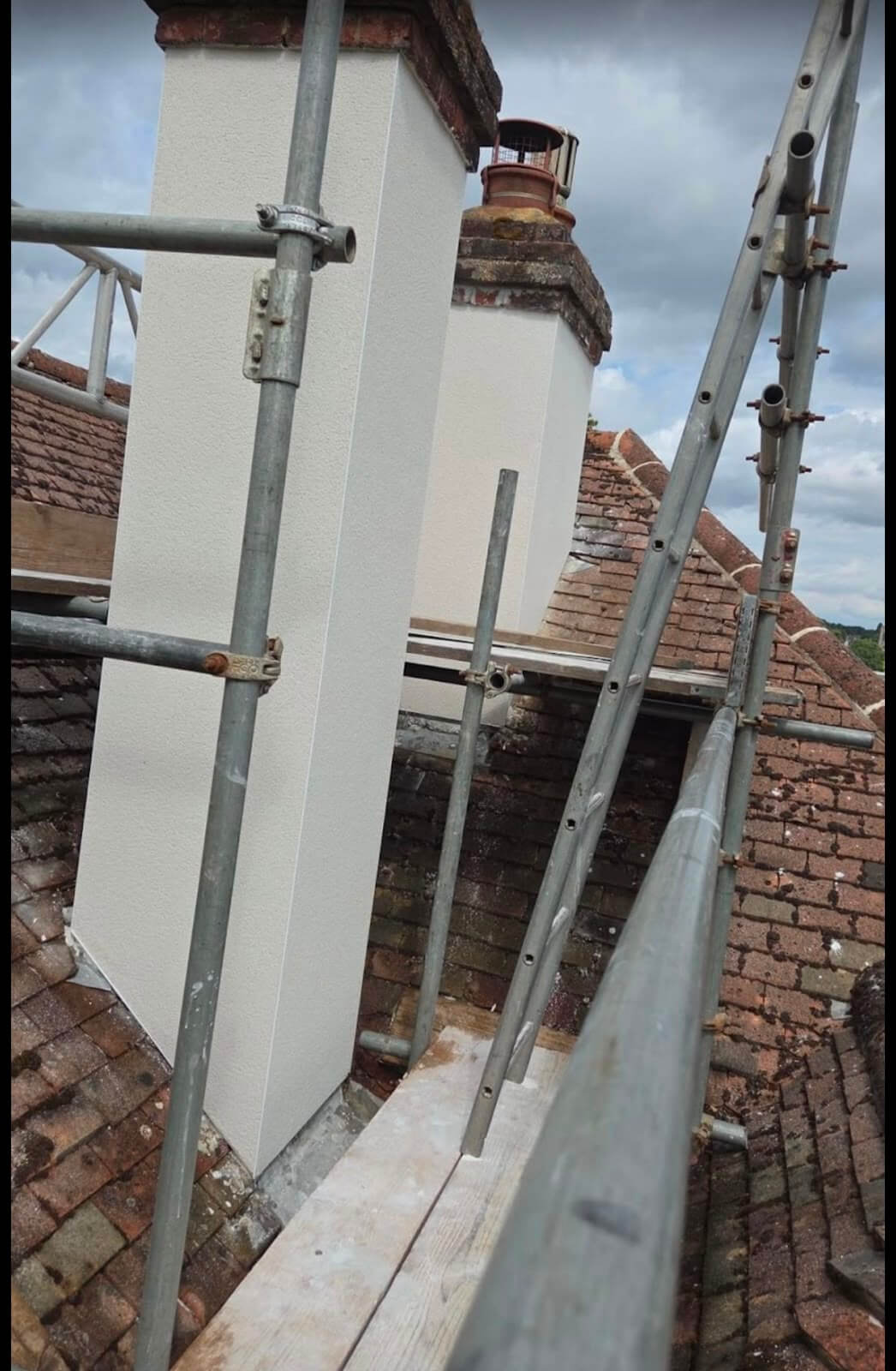
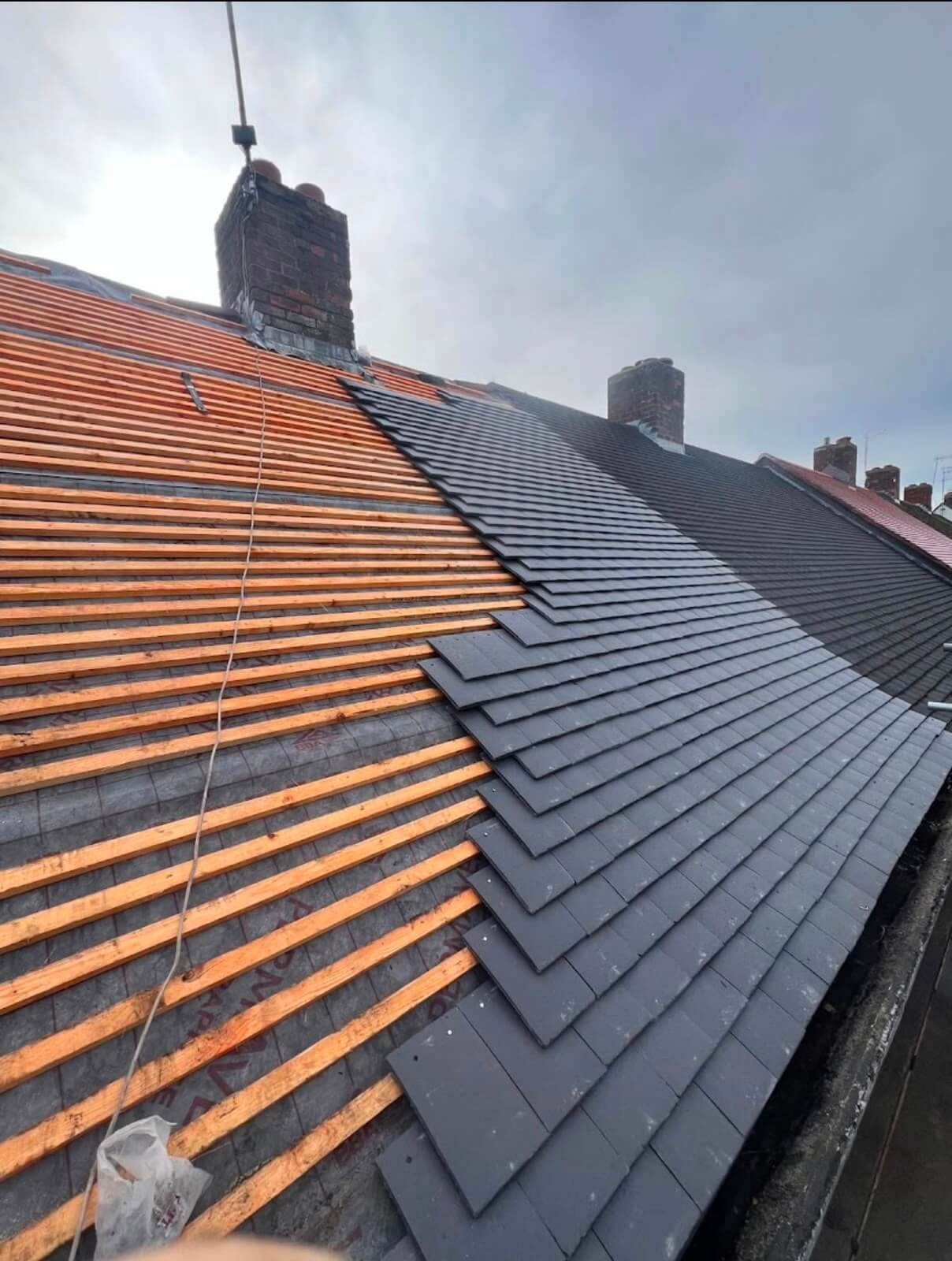
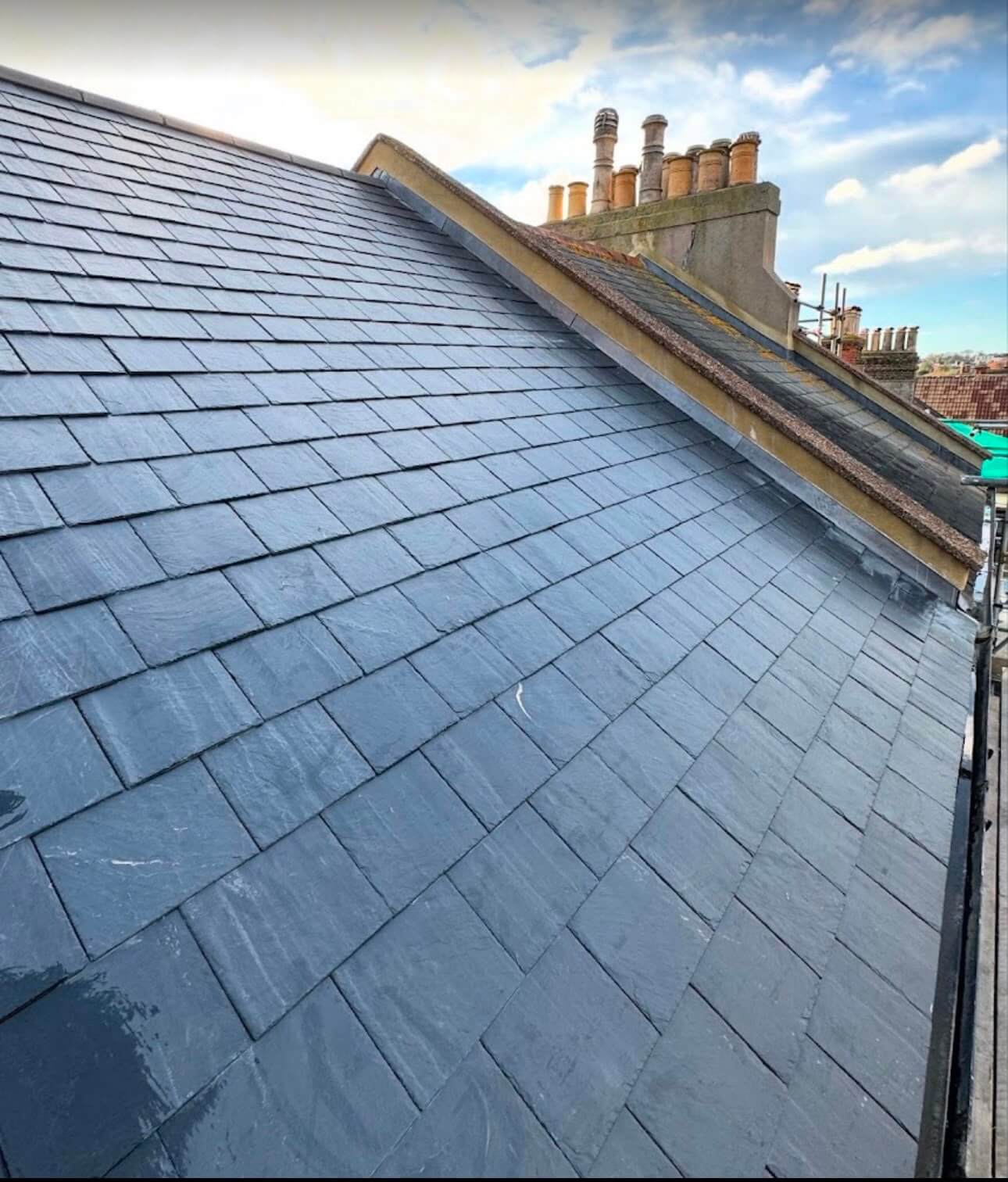
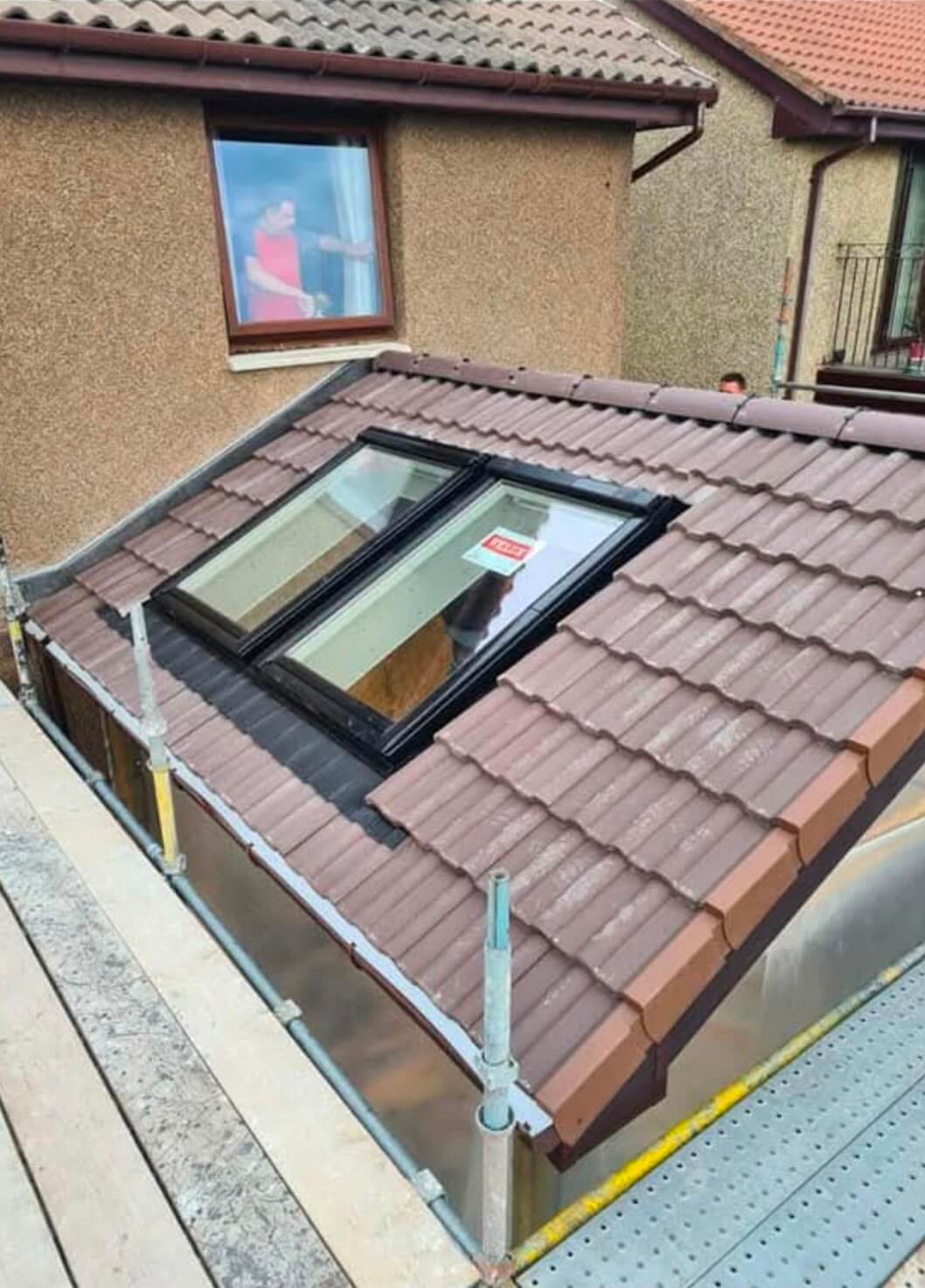
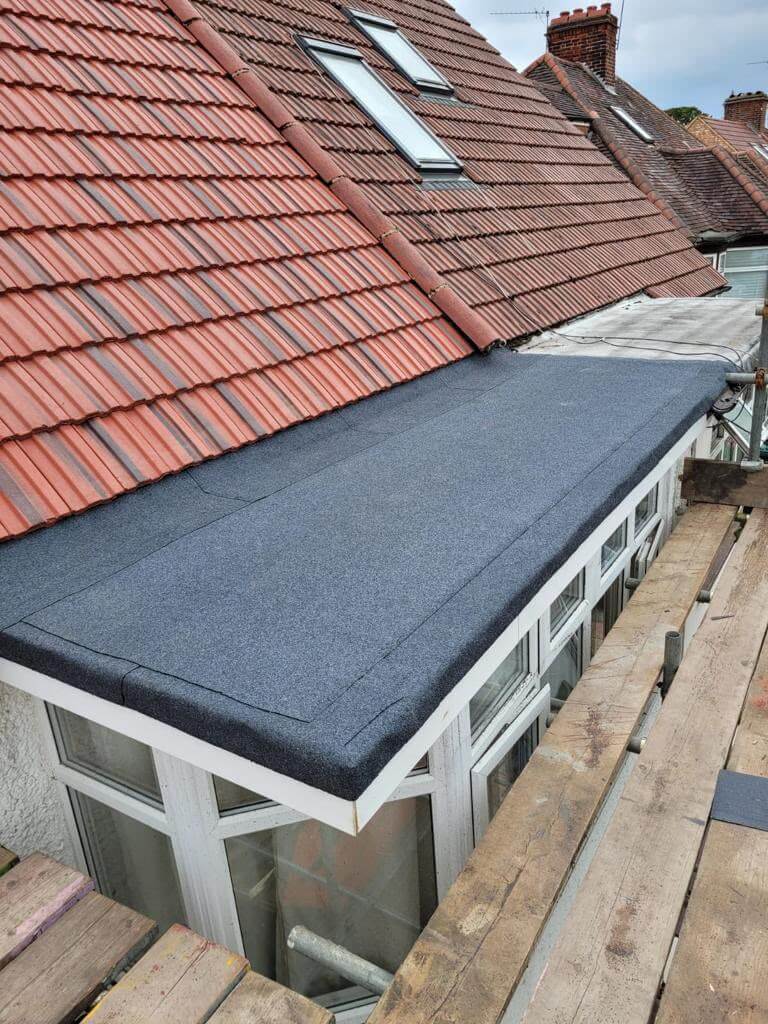
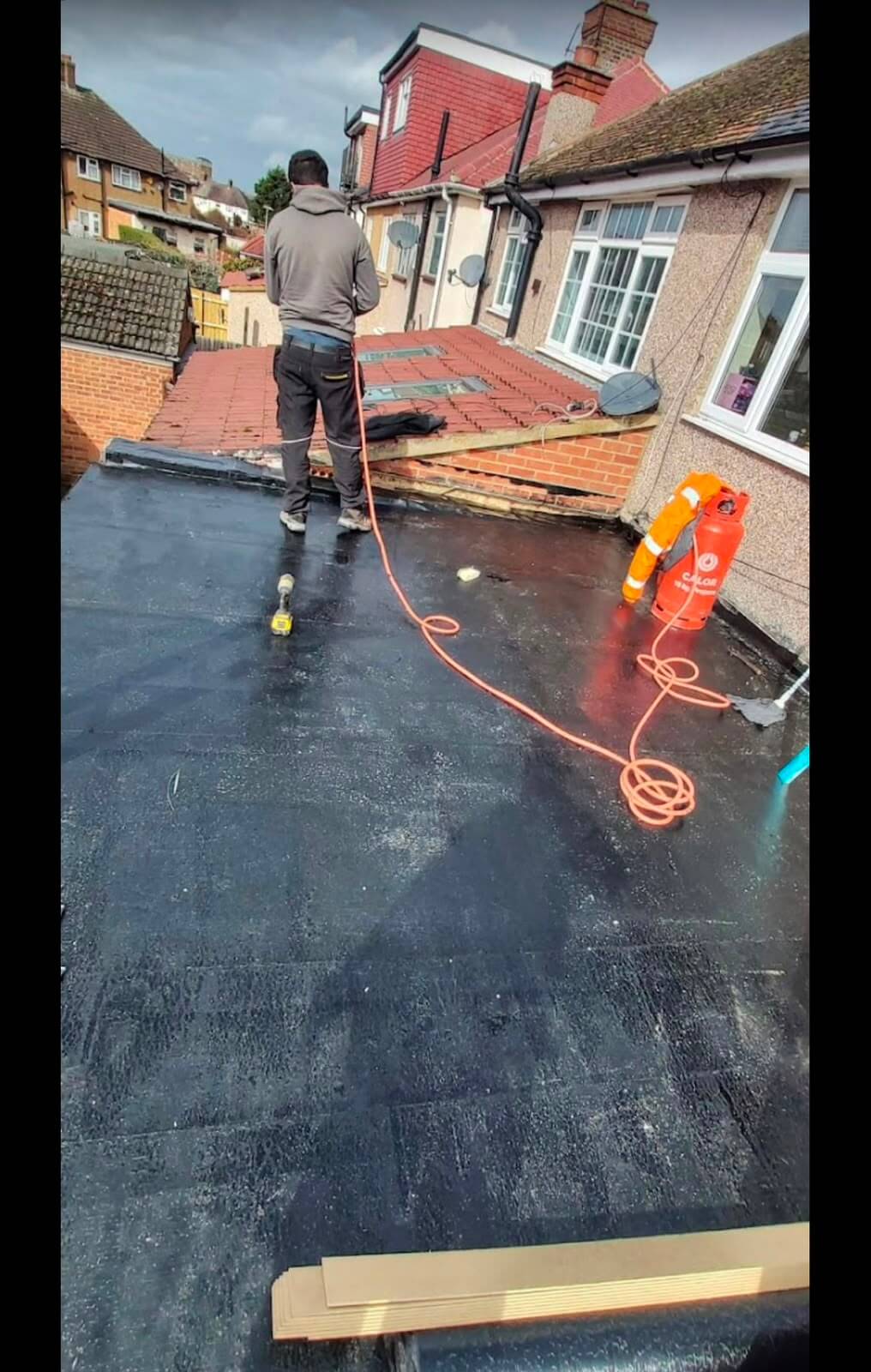
Recent Work We Done In Dublin
What Happens If a Gutter Problem Is Left Alone
The damage from a failing gutter almost never stays limited to the gutter itself. Overflow running down an external wall repeatedly can lead to damp penetrating through to internal walls, particularly on older solid-wall construction without a cavity to interrupt it.
Constant water at the base of a wall or foundation, from a downpipe discharging in the wrong place or a persistent overflow, can contribute to damp problems at ground level that are far more expensive to resolve than the gutter repair that would have prevented it. And a rotted fascia from prolonged gutter overflow takes the gutter brackets down with it, turning a cleaning job into a repair job, and a repair job into a full gutter and fascia replacement if it's left long enough.
Box Gutters on Older Dublin Terraces
Hidden box gutters, common on Victorian and Georgian terraces behind parapet walls, deserve their own mention because they fail differently and more seriously than a standard visible gutter. Since they're not visible from the ground or even from most windows, a blockage can go unnoticed for a long time, and because they sit directly against the roof structure rather than hanging below it, a backup sends water straight into the roof void rather than simply overflowing onto the ground outside.
Regular checking of a box gutter matters more than people realise precisely because the consequences of ignoring one are worse than a standard gutter overflowing — by the time it's causing a visible leak inside the house, water has typically already been getting into the roof structure for some time.

Frequently Asked Guttering Questions
How often should gutters actually be cleared in Dublin?
It depends heavily on what's overhanging the roof — a property with nearby trees, especially deciduous ones shedding leaves in autumn, typically needs clearing at least once or twice a year, while a more exposed roof with little overhang can often go longer between clears. We'll give you an honest recommendation based on your specific property rather than a blanket schedule that doesn't account for your actual situation.
My gutters look fine from the ground — why would I need an inspection?
Because a lot of the most damaging gutter problems, particularly hidden box gutters and joints running water down behind the gutter rather than dripping visibly, are genuinely invisible from ground level. The absence of an obvious drip doesn't mean the gutter's actually doing its job properly.
Is it worth repairing old cast iron guttering, or should I replace it with modern plastic (uPVC)?
It depends on the condition of the cast iron and how much of the run is affected. Sound cast iron gutters can often be repaired and repainted rather than replaced, and many period properties benefit from keeping the original material for appearance, but once corrosion is widespread across a run, replacement with modern uPVC is usually the more sensible long-term option. We'll assess honestly rather than pushing a full replacement when a repair would genuinely do the job.
Can a gutter problem really cause damp inside the house?
Yes — this is one of the most commonly underestimated causes of internal damp. Water overflowing repeatedly down an external wall, or a downpipe discharging against the base of the house rather than into proper drainage, can lead to damp tracking through to the inside over time, particularly on older solid-wall construction.
Do you clear gutters as a standalone service, or only as part of a repair?
Both — a straightforward clearance without any underlying repair is a genuinely common call-out, and we'll tell you honestly if we find anything else that needs attention while we're up there, rather than manufacturing extra work that isn't needed.


More Roofing Services We Offer
One roofer, one crew, every job across Dublin, Kildare, and Wicklow — no subcontractors, no rotating faces, just written guarantees on everything we touch.


Get Your Gutters Looked At Properly
Whether it's overflow you can see from the ground, a suspected blockage in a hidden box gutter, or a fascia that's starting to sag under the weight, get it checked before the next heavy rain finds every weak point for you.
Call us today — free inspection, same-day response, 15-year guarantee on all repair work.
