
Chimney Repairs Dublin — Fixed at the Source, Not Just Resealed
What We See Most Often on Dublin Chimneys
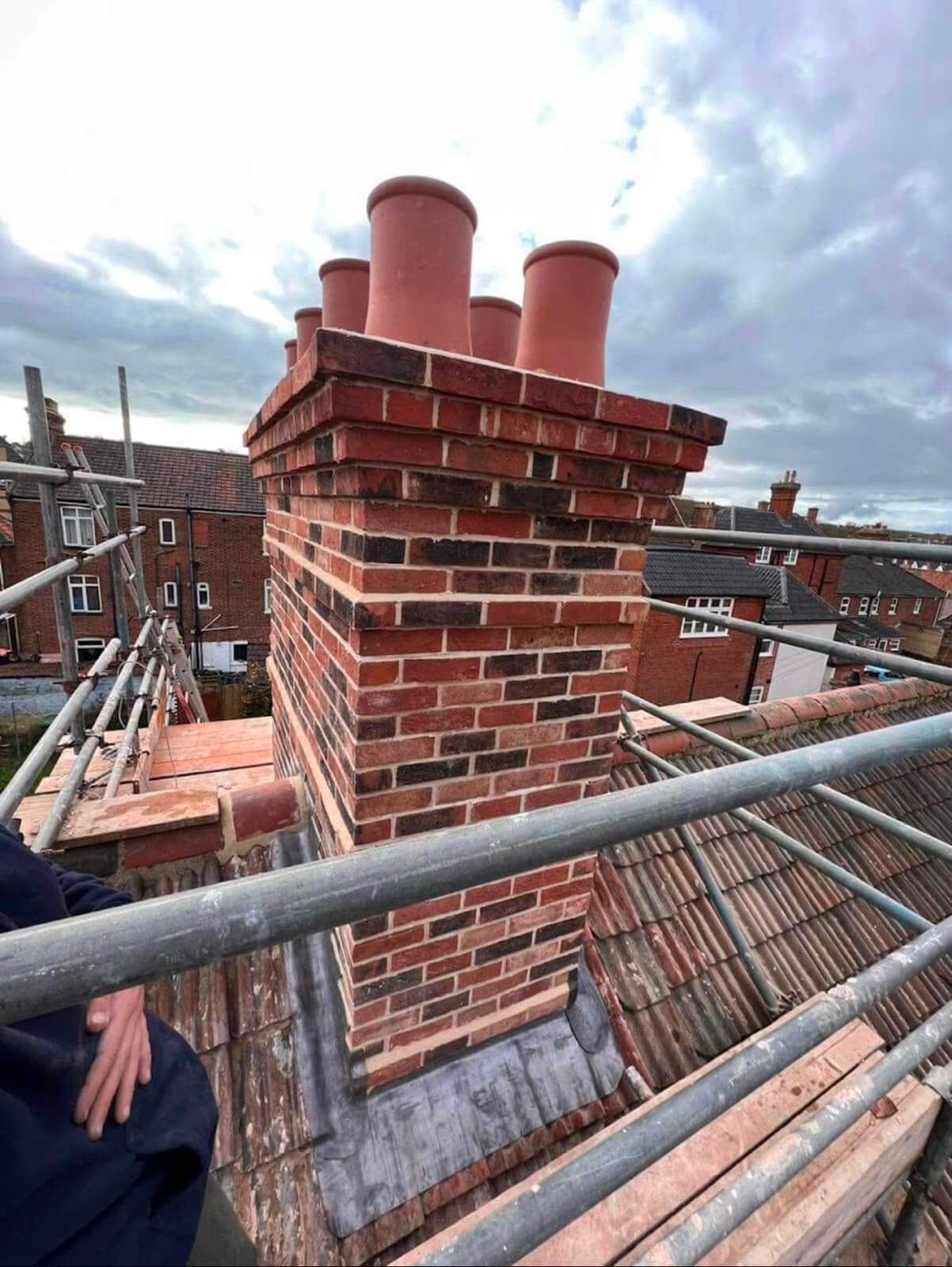
Failed or Lifted Flashing
The lead or metal strip sealing the join between the chimney and the roof covering is the first thing to go, usually from age or a poor original fit. Once it lifts even slightly, rain tracks straight down the inside of the stack and shows up as a damp patch on a bedroom ceiling nowhere near where you'd expect.
Crumbling or Missing Mortar (Repointing)
Mortar between the bricks weathers over decades, especially on the side of the stack that takes the worst of Dublin's prevailing wind and rain. Once it starts crumbling, water gets into the brickwork itself, and left long enough that leads to frost damage in winter and bricks that need replacing, not just repointing.
Cracked or Spalling Brickwork
Water that's soaked into porous or damaged brick expands when it freezes, cracking the face of the brick from the inside out — a problem called spalling. It looks cosmetic at first, a few flaking bricks, but it's structural once it's spread across a stack.
Cracked or Missing Chimney Pot
A cracked pot lets water straight down the flue, and a missing or damaged cap does the same from the top. Often blamed on "the roof" when the actual entry point is sitting well above it.
Leaning or Unstable Stacks
Older Dublin chimneys, especially on Victorian and redbrick terraces, can lean over time as mortar fails and the structure shifts. This isn't a repair to leave — a genuinely unstable stack is a safety issue, not just a maintenance one.
Fully Insured, No Call-Out Fees, Fast Response
How Much Does Chimney Repair Cost in Dublin?
It genuinely depends on what's actually wrong, and any roofer who gives you a number over the phone before seeing it is guessing the same as you are.
A repointing job on one side of a stack is a different cost to replacing a cracked pot, and both are different again from flashing work, which is why we don't quote until we've actually been up there and looked.
What we can tell you honestly is what drives the price up or down: how much of the stack needs attention versus a small section, how easy or difficult access is for the roof in question, and whether it's a straightforward repair or something that turns out to need more once we're into it — which does happen, but far less often when the inspection is done properly the first time instead of assumed from the ground.


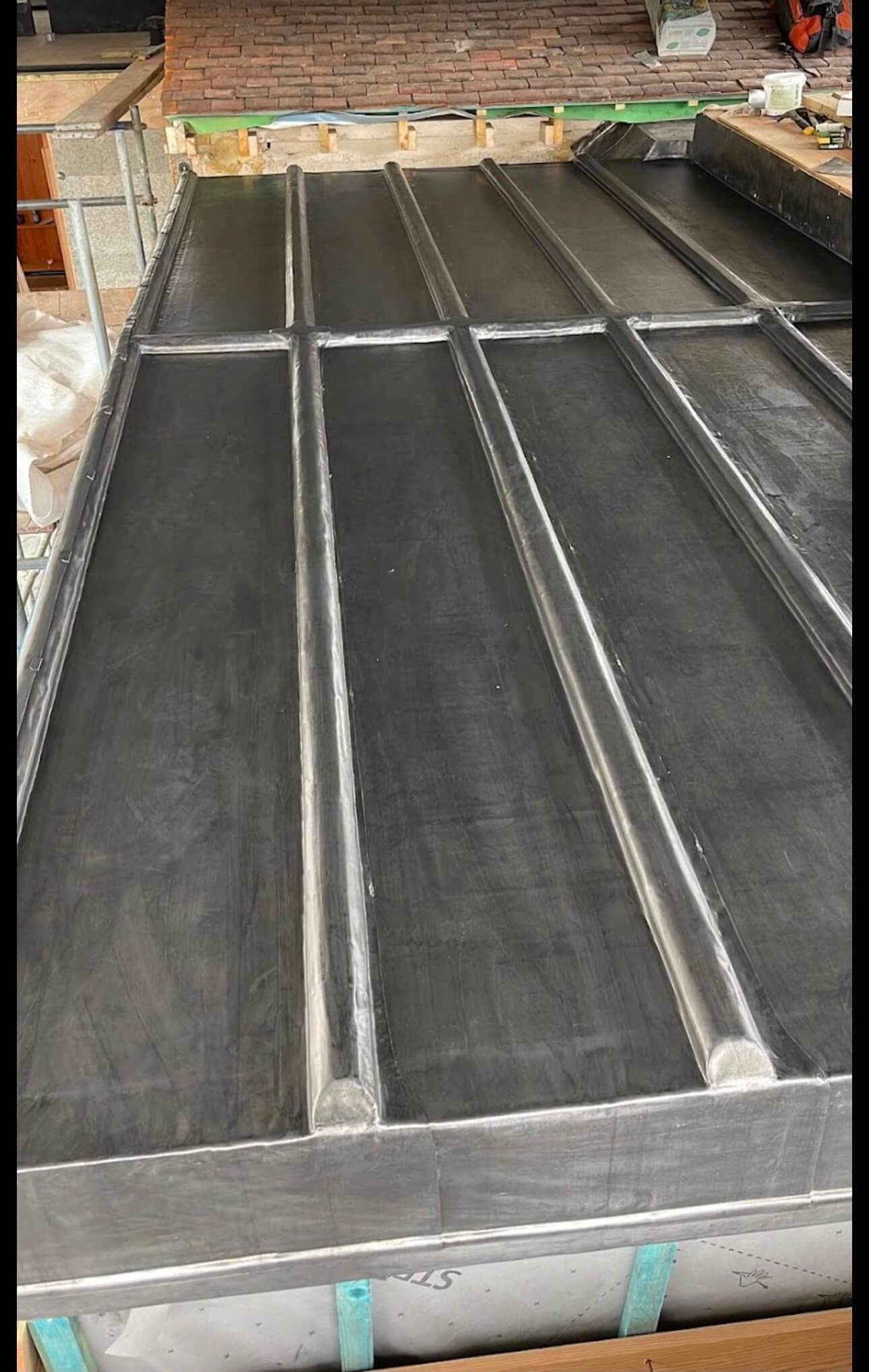
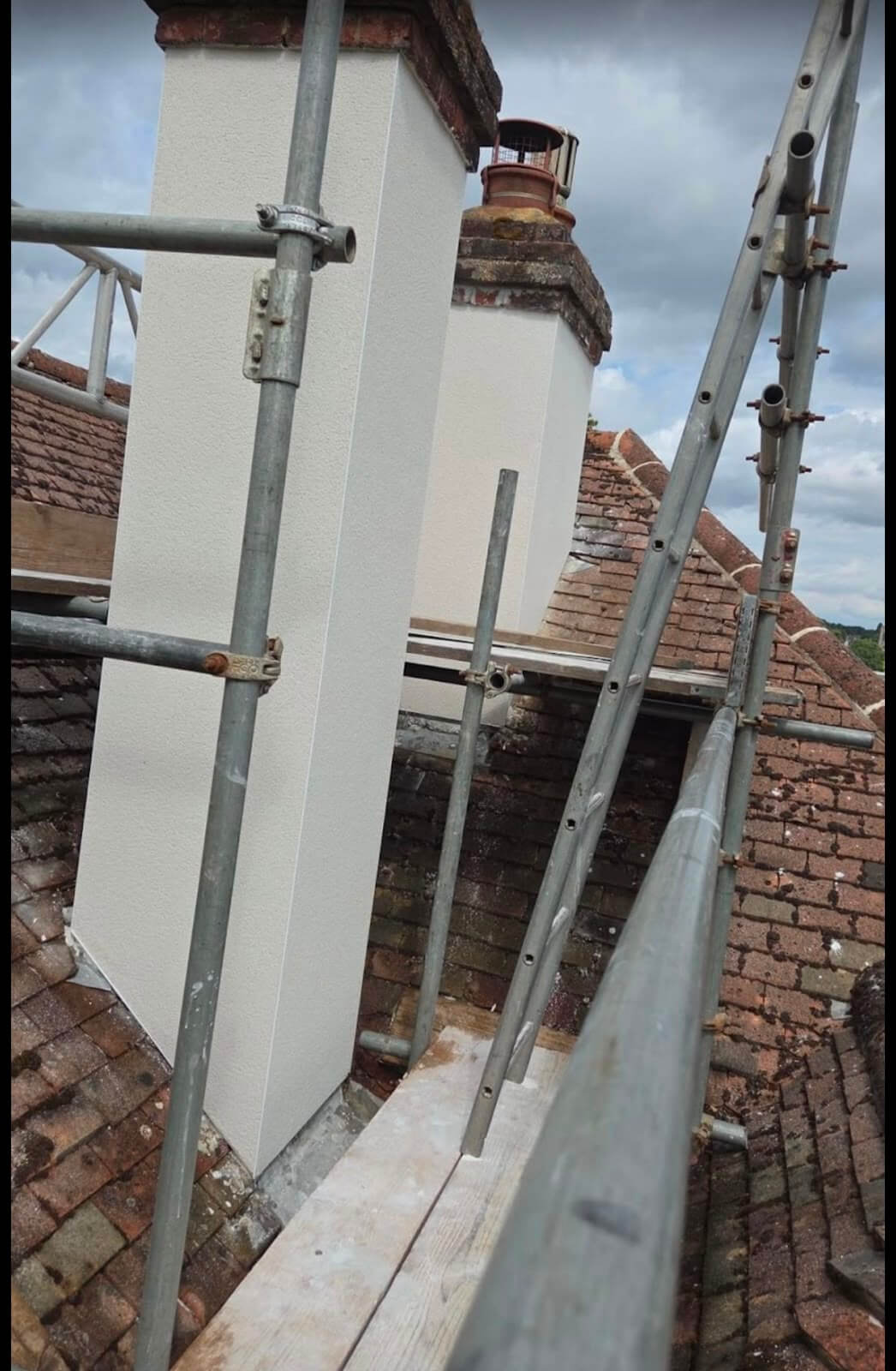
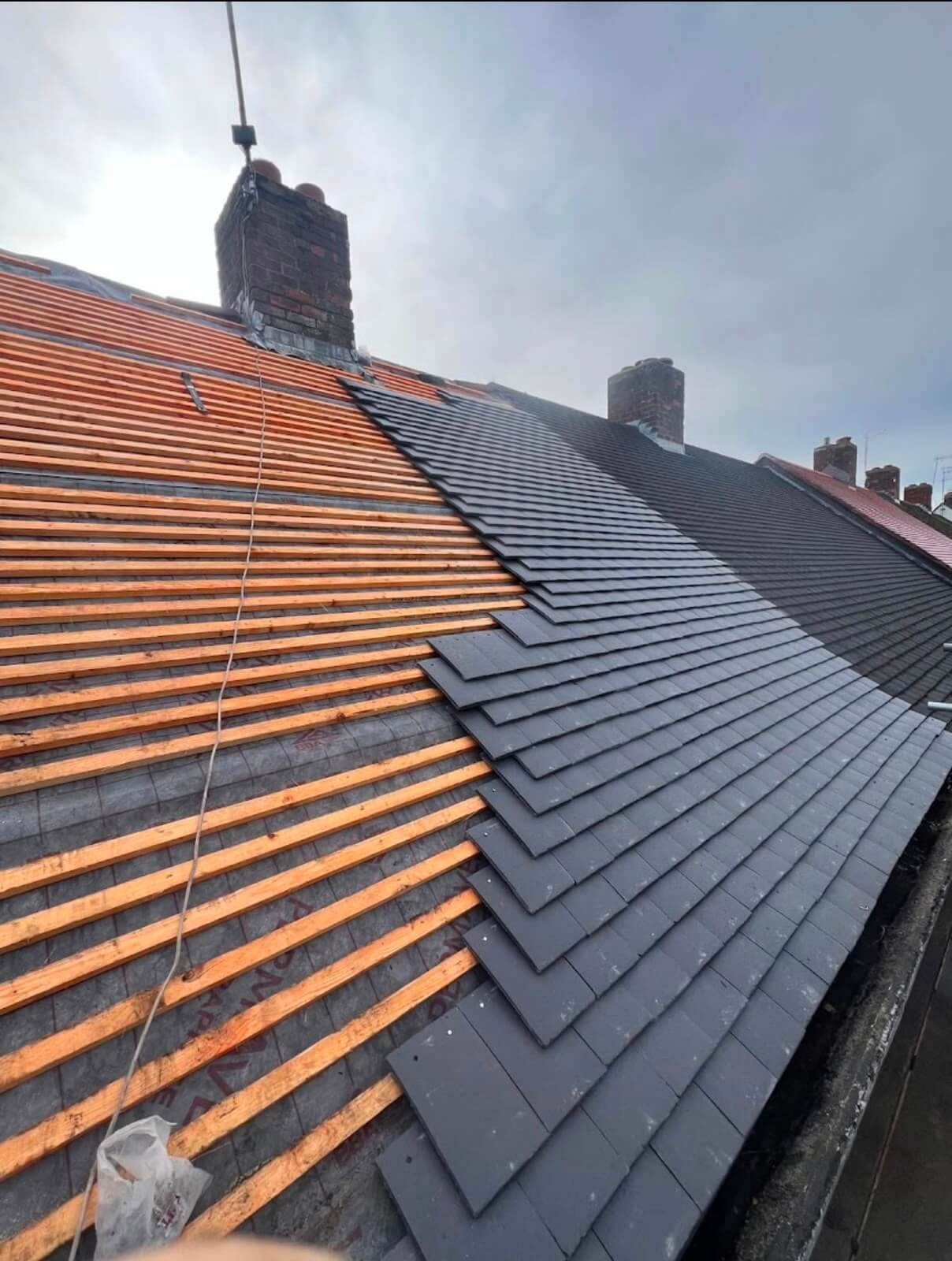
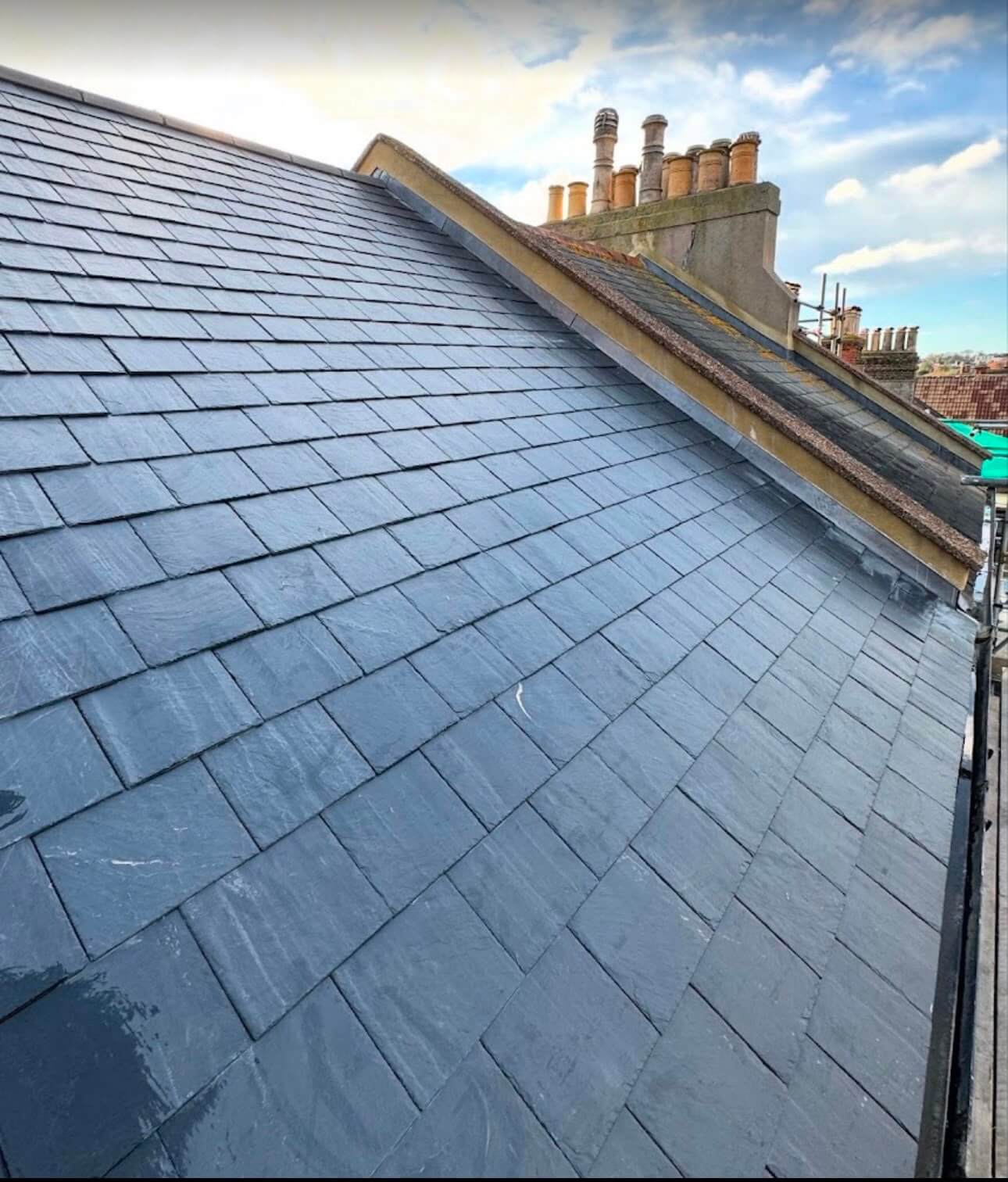
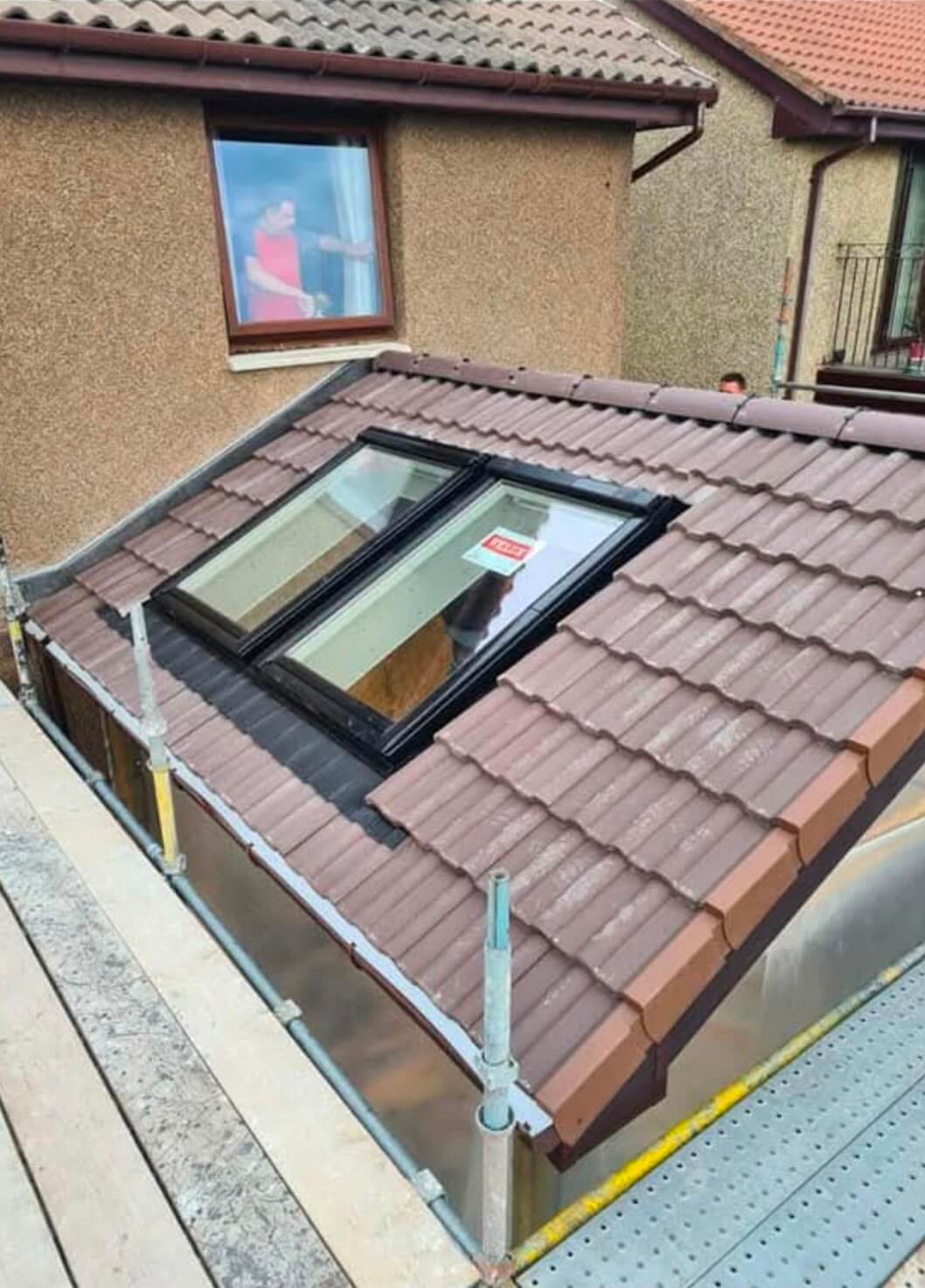
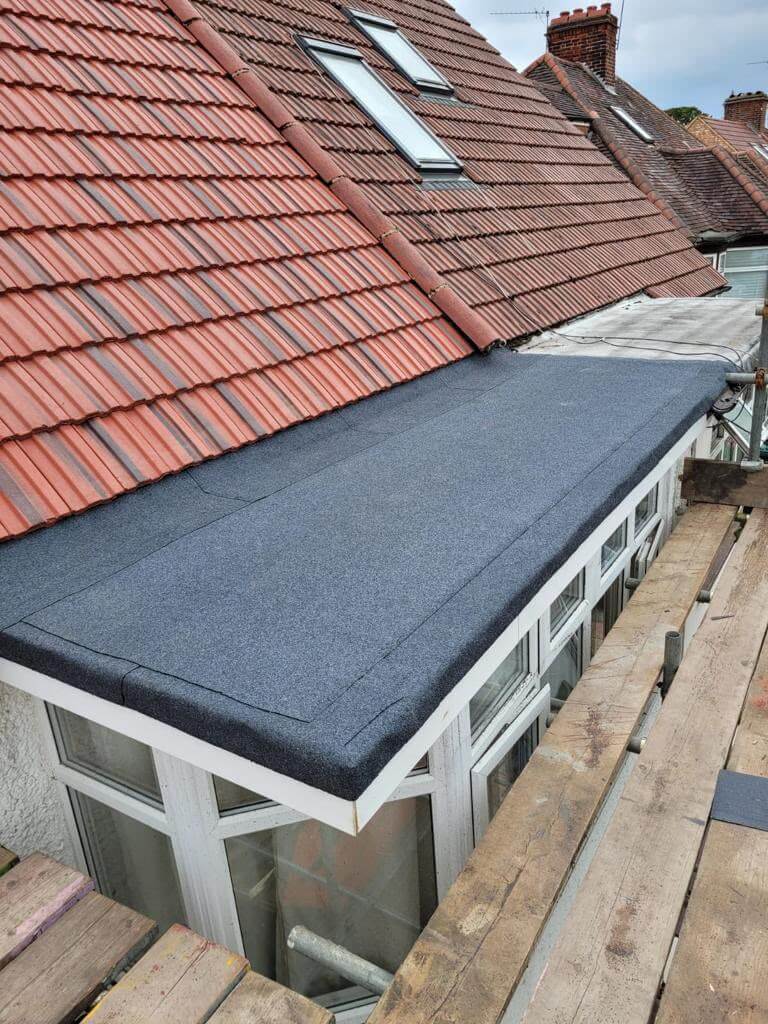
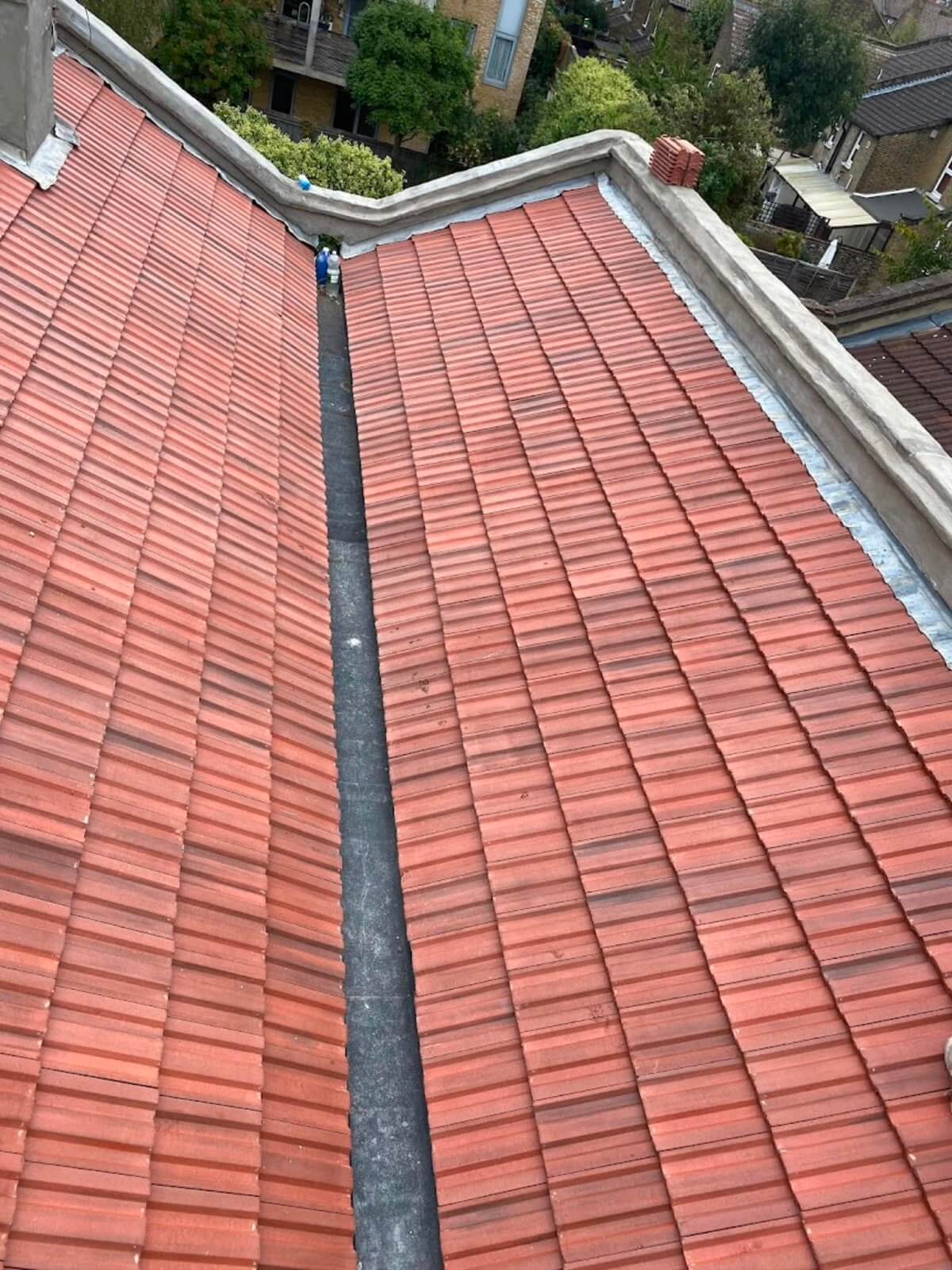
Recent Work We Done In Dublin
Why Chimneys Cause More Leaks Than the Roof Itself
A huge number of "roof leaks" in Dublin actually start at the chimney, not the roof surface around it.
It's the single most common point of failure on an older house, because a chimney stack is really several different materials meeting at once — brick or stone, mortar, flashing, and a cap or pot — and any one of them failing lets water in, usually well before it's visible from the ground.
Old, Unused Chimney Still Causing Problems
A huge number of Dublin homes have a chimney that hasn't had a fire lit in it for years, sometimes decades, and the assumption is usually that if nobody's using it, it can't really be a source of trouble.
That's not true, and it's one of the most common things we get called out for.
A capped or disused flue still has brickwork, mortar, and flashing exposed to the same weather as an active one. Without the slight warmth and airflow a used chimney gets, moisture can actually sit in an unused stack for longer, making it more prone to damp and frost damage over time, not less.
If there's a chimney breast in the house nobody's paid attention to in years, it's worth having it checked rather than assumed fine simply because it's not in use.
Frequently Asked Chimney Questions
My chimney was repointed a few years ago and it's already crumbling again. Why?
Usually the wrong mortar mix for the age of the brickwork — modern cement-heavy mixes are harder than older brick and mortar, so instead of weathering together, the new pointing traps moisture in the brick behind it and speeds up the damage rather than fixing it. Matching the mix to the existing chimney matters more than most repairs people pay for.
Do you need to remove the chimney to fix flashing, or can it be done from the roof?
Almost always from the roof, without touching the chimney structure itself. We remove the old flashing, clean the joint back, and refit it properly dressed into the brickwork — it's a roof-level job, not a structural one, unless the brickwork underneath has also failed.
Is a leaning chimney always something serious?
Not always, but it's never something to guess about. A slight lean on an old stack can be stable and just cosmetic, or it can mean the mortar's failed enough that the structure's genuinely moving — the only way to know is a proper inspection, not a look from the garden.
Can you repair a chimney that's no longer in use, or only ones with an active fireplace?
We repair both. A disused chimney still needs a sound stack, flashing, and cap — in fact, unused chimneys are sometimes worse for water ingress since nobody's monitoring for smoke smell or performance issues that would otherwise flag a problem early.
How do I know if it's the chimney or the roof causing a leak near it?
Honestly, it's hard to tell from inside the house — the location of a ceiling stain doesn't reliably point to the source, since water travels before it shows. That's exactly why we inspect the chimney and the surrounding roof together rather than assuming one or the other.

More Roofing Services We Offer
One roofer, one crew, every job across Dublin, Kildare, and Wicklow — no subcontractors, no rotating faces, just written guarantees on everything we touch.


Get Your Chimney Looked at Properly
If there's a damp patch, a crack, or just a chimney that's been ignored for a few years, get it checked before the next heavy rain finds the gap for you. Free inspection, no call-out fee, and a straight answer on what's actually wrong.
