
New Roofs Dublin — Roof Replacements, Guaranteed for 25 Years
How You Know It's a New Roof, Not Another Repair
Most homeowners don't wake up one day and decide they need a new roof — it's usually a gradual realisation, often after one too many repair call-outs on the same roof in a short space of time.
There's a genuine tipping point where repairing becomes false economy, and it's worth understanding what that actually looks like rather than either replacing a roof too early or patching one that's already past saving.
The clearest signal is frequency, not severity — one storm-damaged section is a repair, but three separate call-outs in two years across different parts of the same roof usually means the covering itself is uniformly aged and failing, not just unlucky in specific spots.
The other clear signal is what's underneath: if an inspection turns up rotten sarking boards, sagging rafters, or widespread nail sickness across the roof rather than one localised area, that's a structural picture a surface repair genuinely can't fix, because the problem isn't the slate or tile, it's what's holding it up.
Fully Insured, No Call-Out Fees, Fast Response
What a Proper Re-Roof Actually Involves
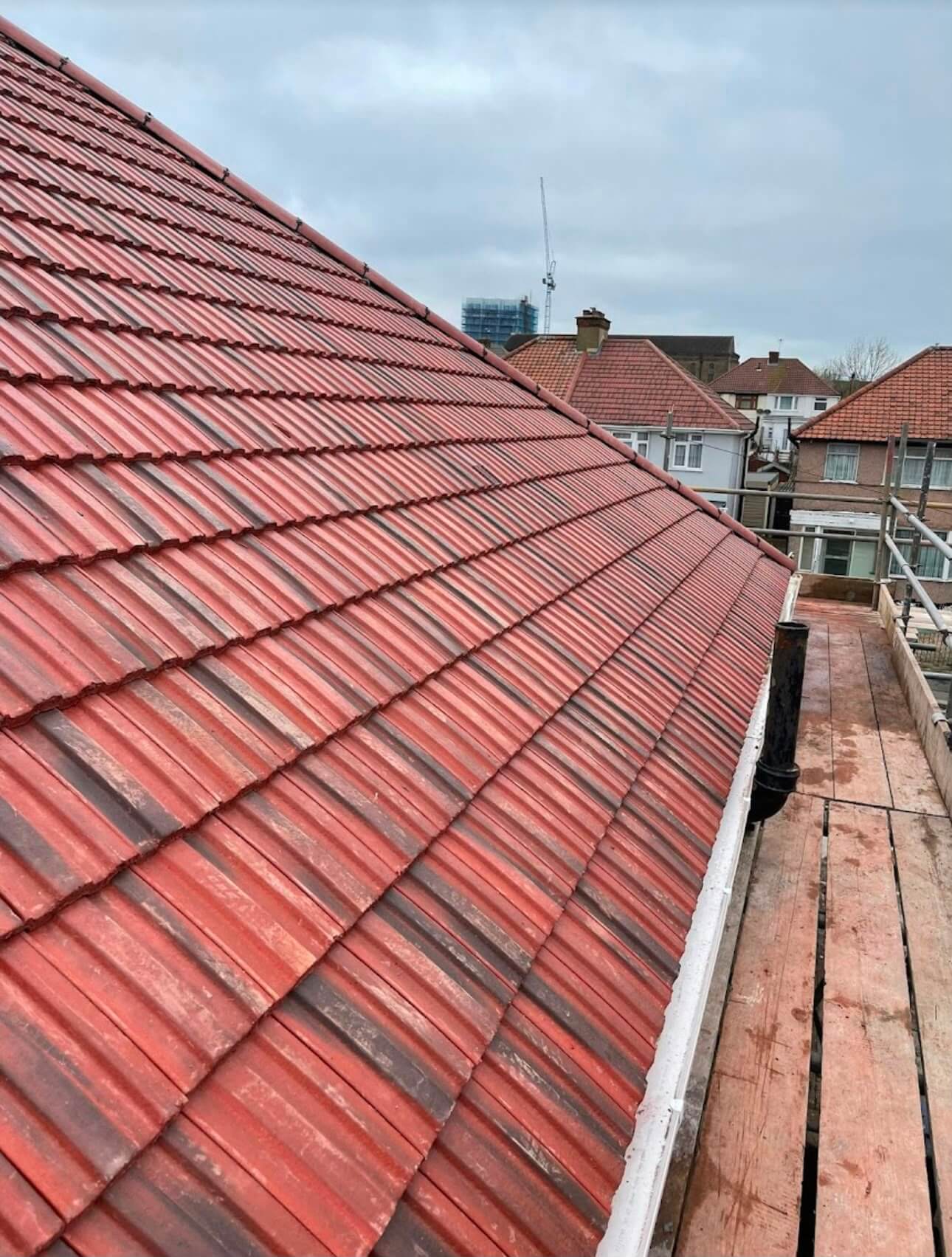
Full tear-off comes first — the entire existing roof covering removed down to the structural timber, not a partial strip that leaves old material mixed in with new. This is the point where problems that have been hidden for years finally become visible, and it's far better to find rotten timber now than to have it discovered by the next roofer in a decade.
Structural inspection happens once the roof is stripped back, checking rafters, purlins, and any sarking boards for rot, sagging, or previous poor repairs that were never done properly. Any damaged timber gets replaced before anything new goes on top — covering a compromised structure with new roofing material just delays the problem and makes it more expensive to fix later, once it's buried again.
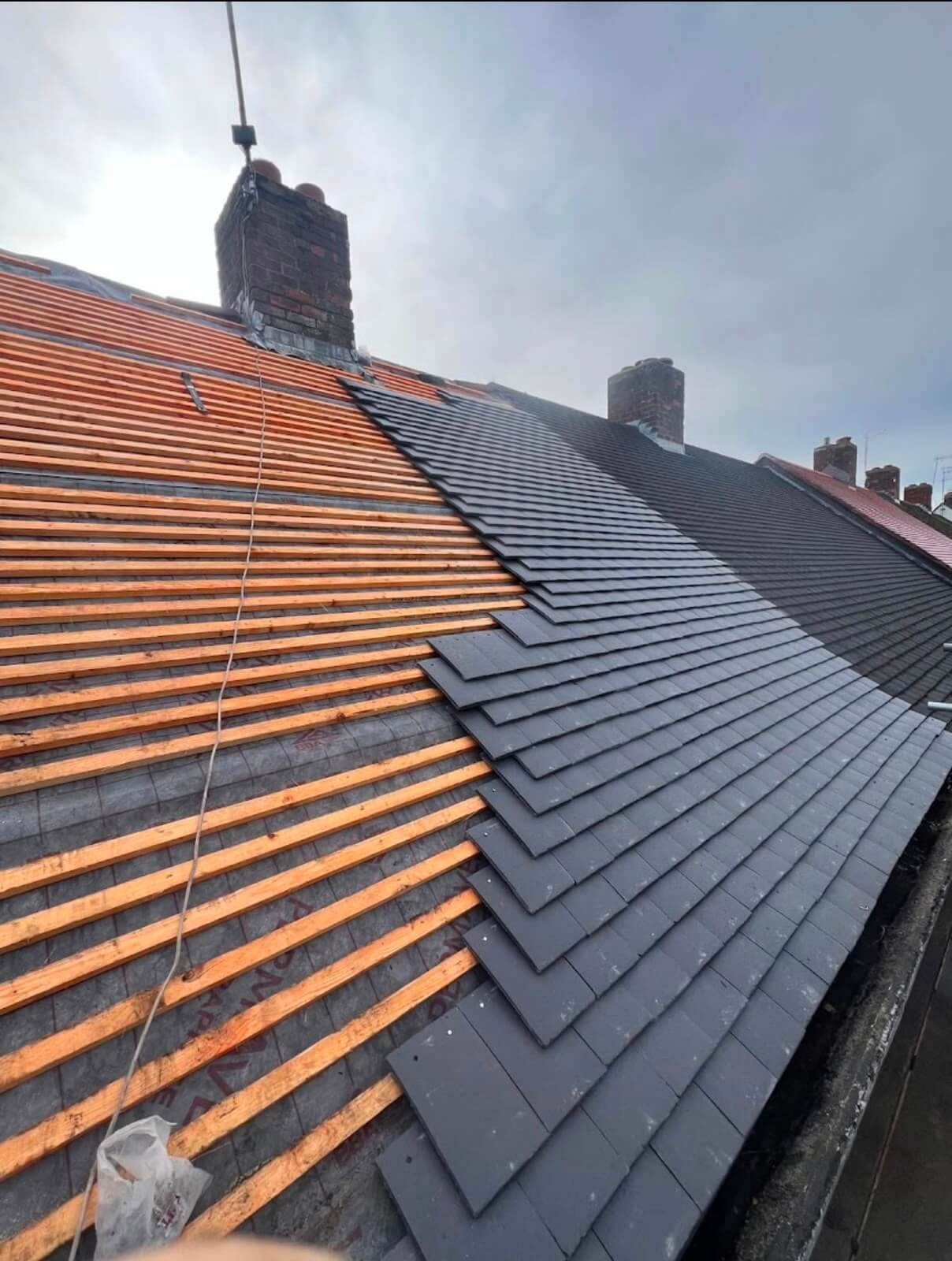
Breathable underlay goes down next, replacing whatever was there before, which on an older Dublin roof was often either nothing at all or a bituminous felt that's long past its working life. A modern breathable membrane lets moisture vapour escape from inside the roof space while keeping wind-driven rain out — this single layer is one of the biggest differences between a roof that stays dry inside for decades and one that develops hidden condensation problems within a few years.
Battens are fitted at the correct spacing for the specific slate or tile size being used, since incorrect batten gauge is a common cause of premature failure that has nothing to do with the quality of the roofing material itself.
The roof covering goes on last, laid to the correct gauge and lap for the pitch and material — the exposed portion of each slate or tile and how much it overlaps the row below, calculated properly rather than estimated. Get this wrong and you're building in a leak risk from day one regardless of how good the material is.
Every new roof we install comes with a 25-year written guarantee, because a roof done properly the first time shouldn't need touching again for a generation.


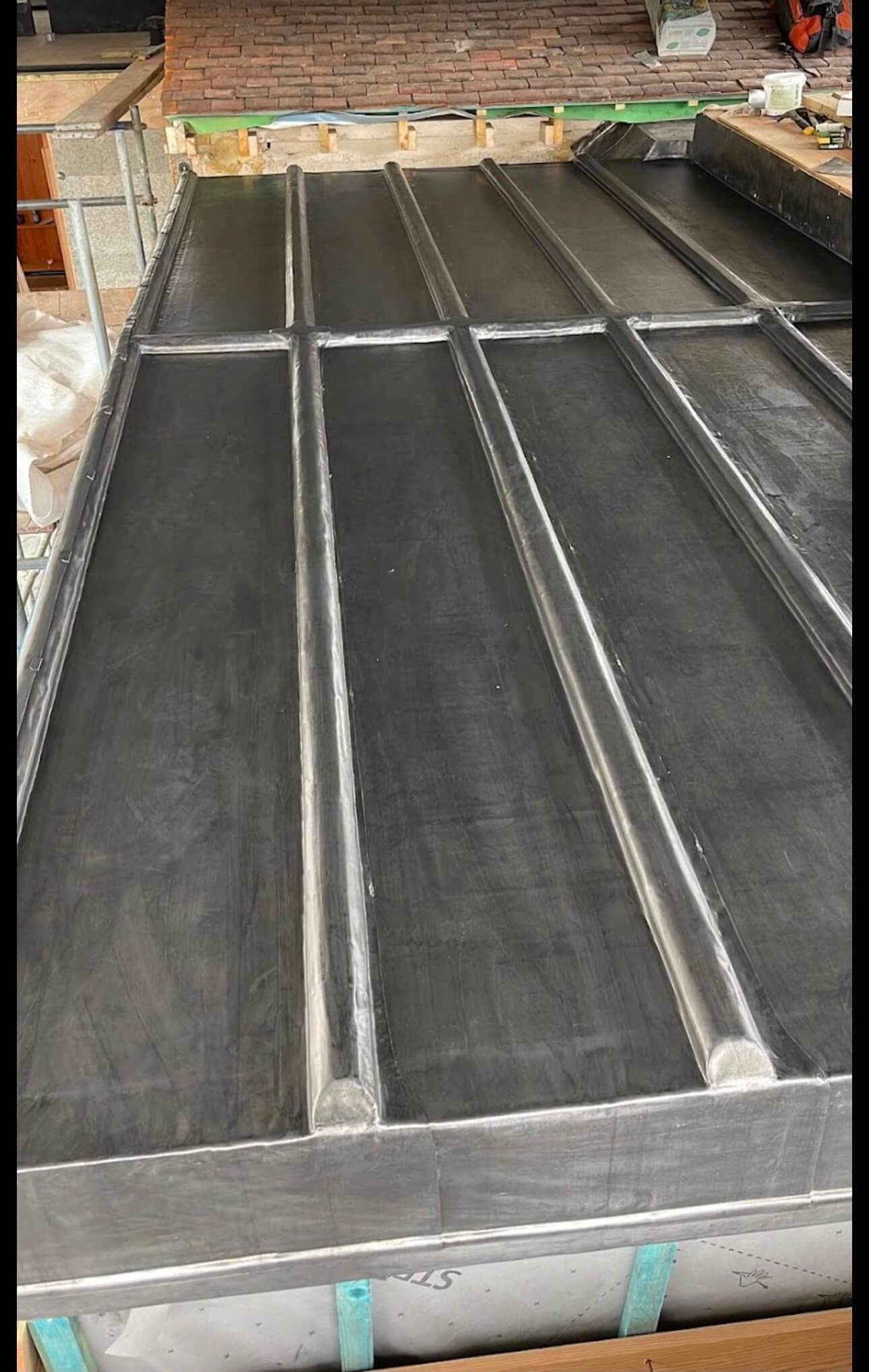
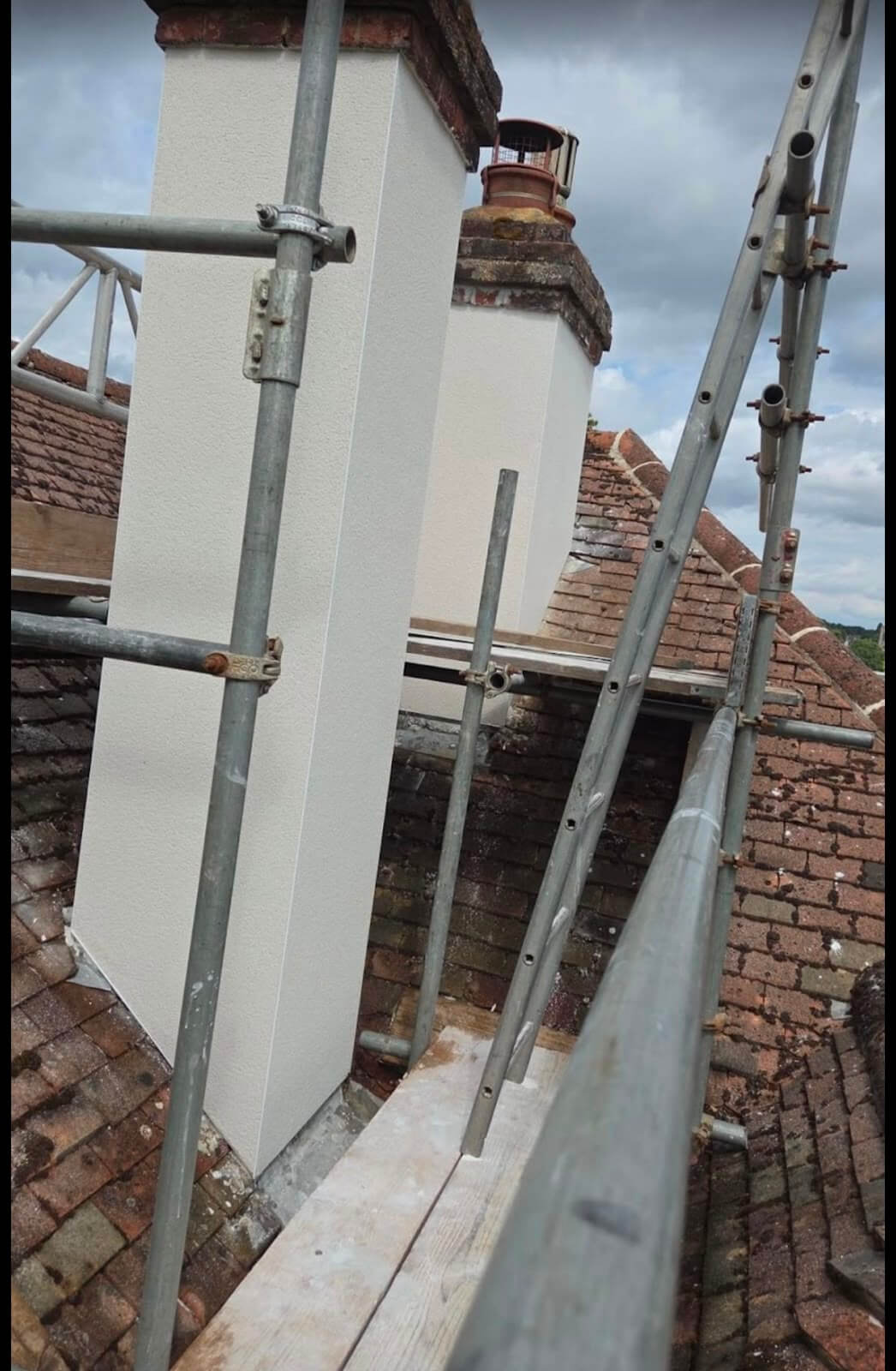
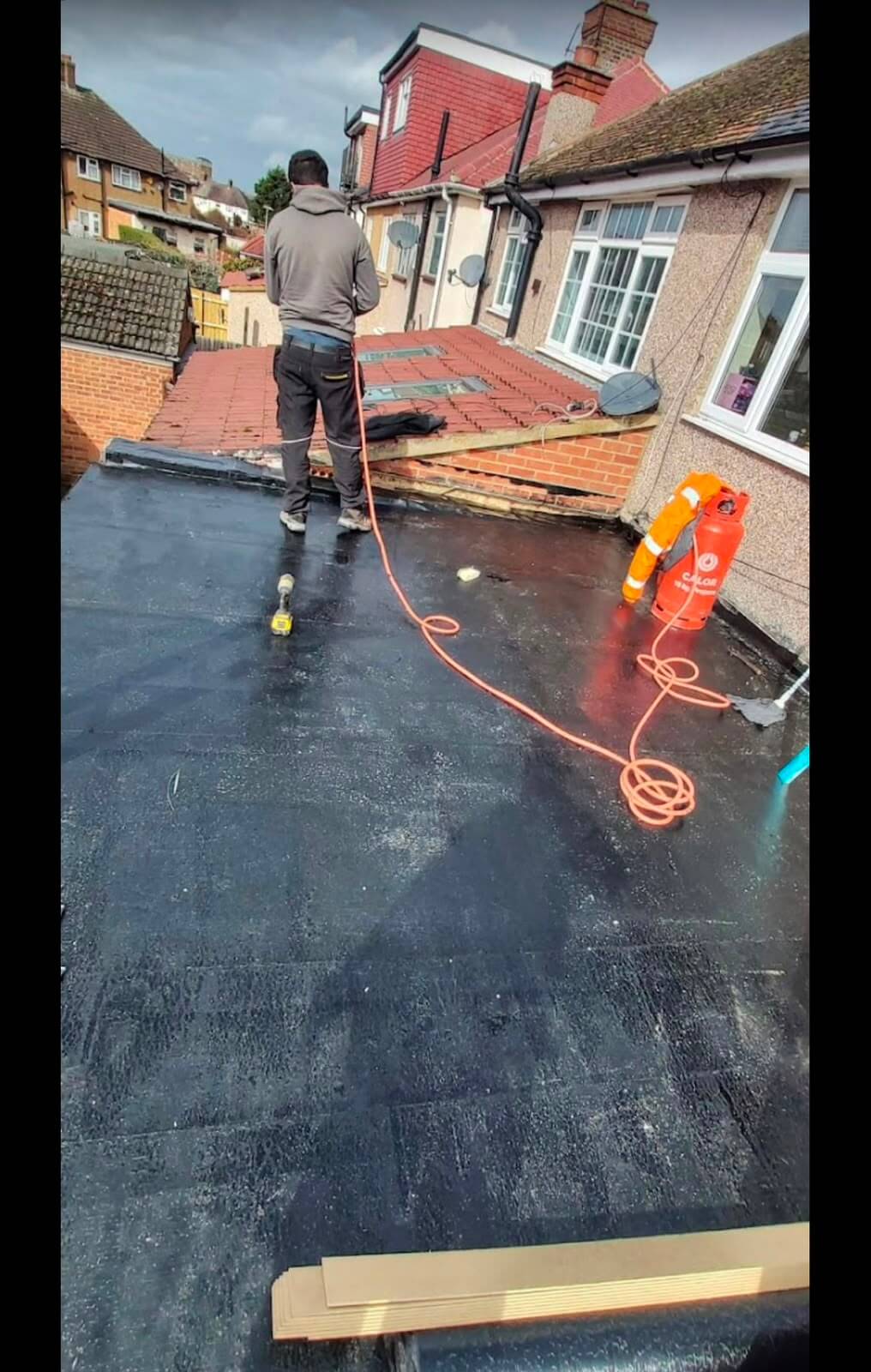
Recent Work We Done In Dublin
How Long Does a Full Re-Roof Take?
Timeline depends entirely on roof size and complexity, so we won't give a blanket figure that doesn't apply to your actual roof — a straightforward semi-detached roof is genuinely different from a large, complex Victorian terrace with multiple roof planes and valleys.
What we will give you is a realistic, specific timeframe as part of the quote, based on your actual roof rather than an industry-average guess, and we keep you updated if anything changes once the job is underway, rather than going quiet until it's finished.
Choosing the Right Roofing Material
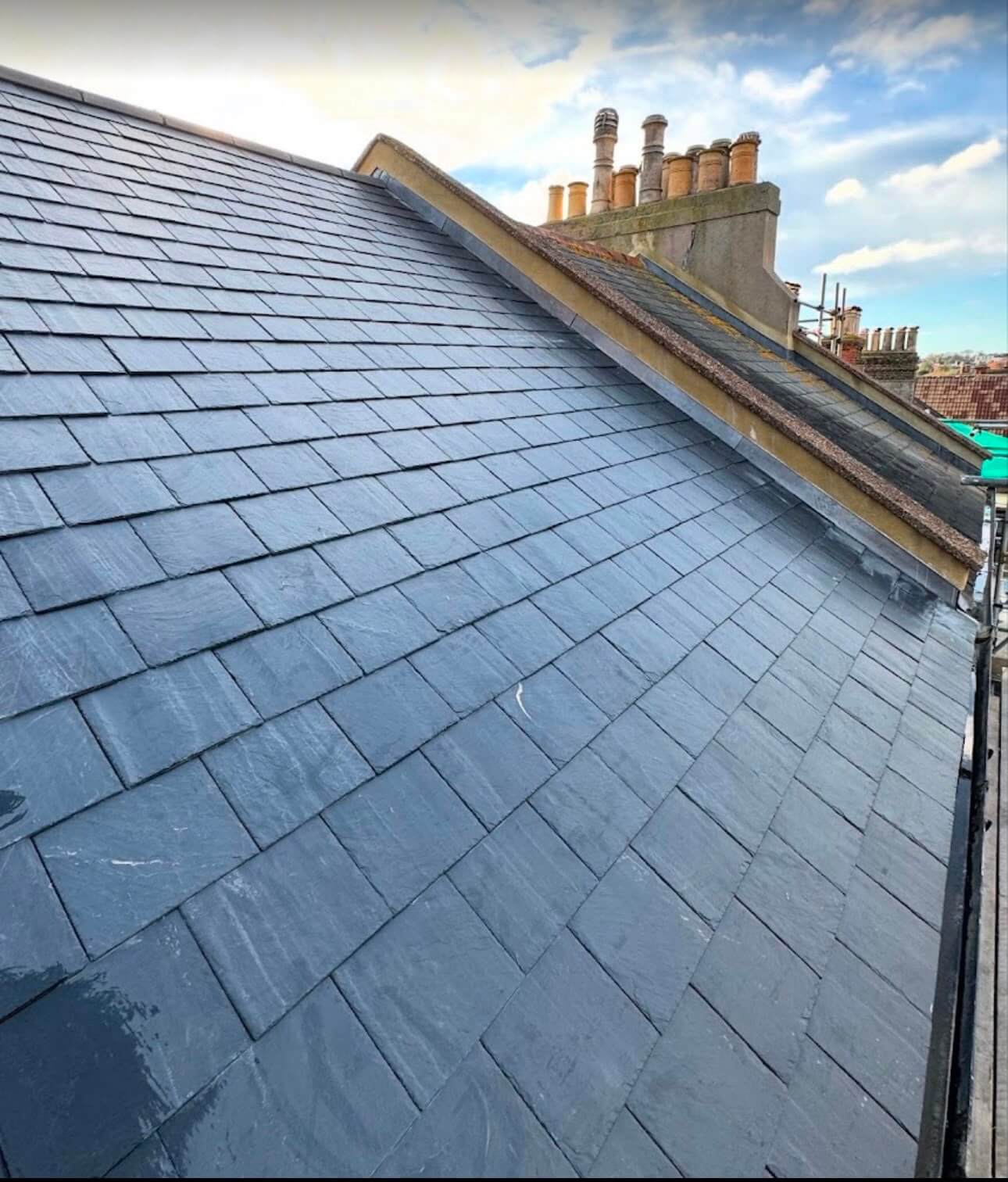
Natural slate remains the benchmark for longevity on Dublin roofs, often lasting 80 to 100+ years when properly installed and maintained, and it's the material that keeps a period property looking authentic to its original build. It costs more upfront and requires more skill to lay well, since every piece varies slightly and has to be sorted before it goes on the roof.
Reconstituted or fibre-cement slate offers a consistent, uniform alternative at a lower material cost, typically lasting 40 to 60 years — a genuinely sensible choice for a lot of properties, particularly where matching an original period roof isn't a factor.
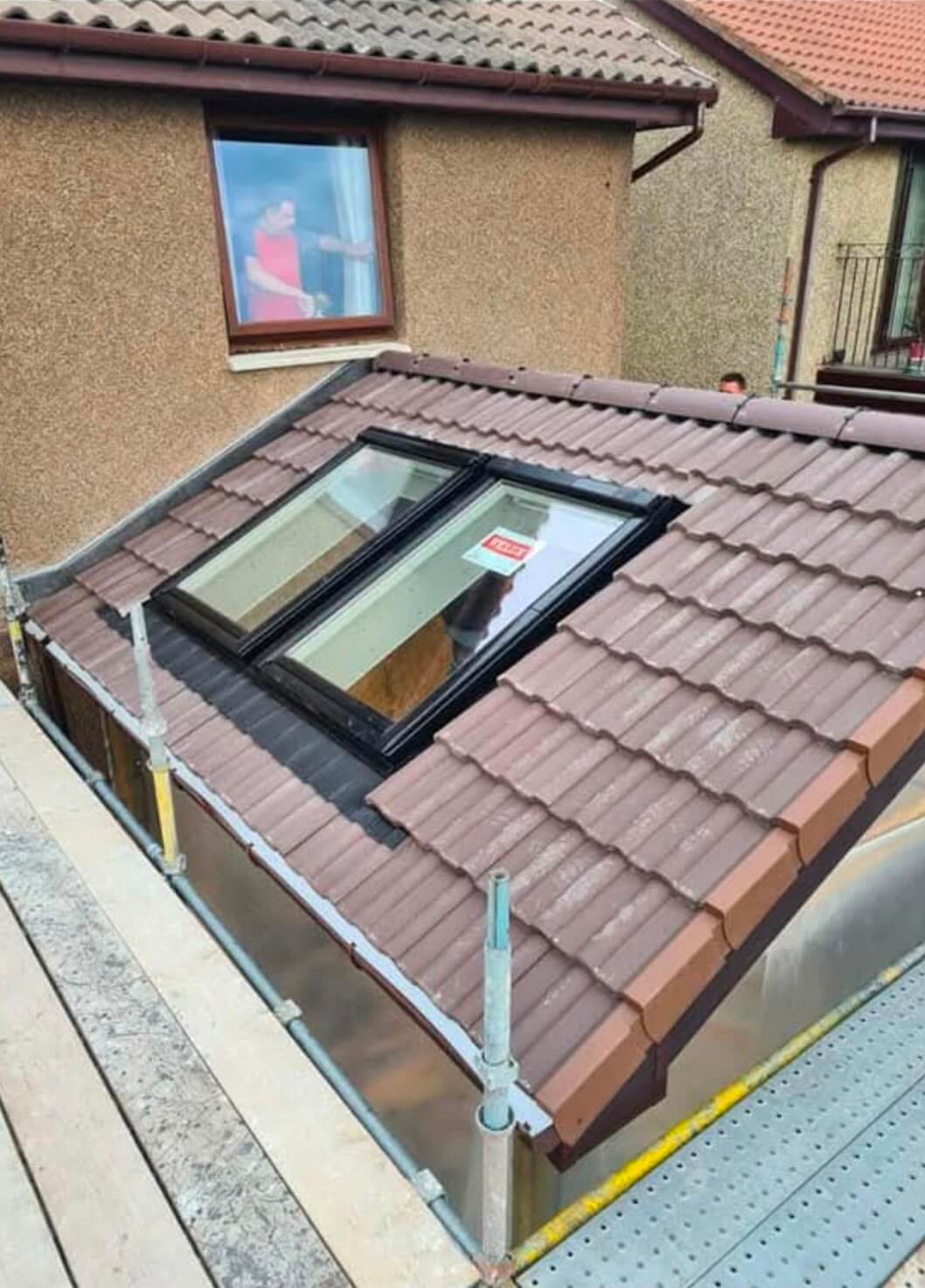
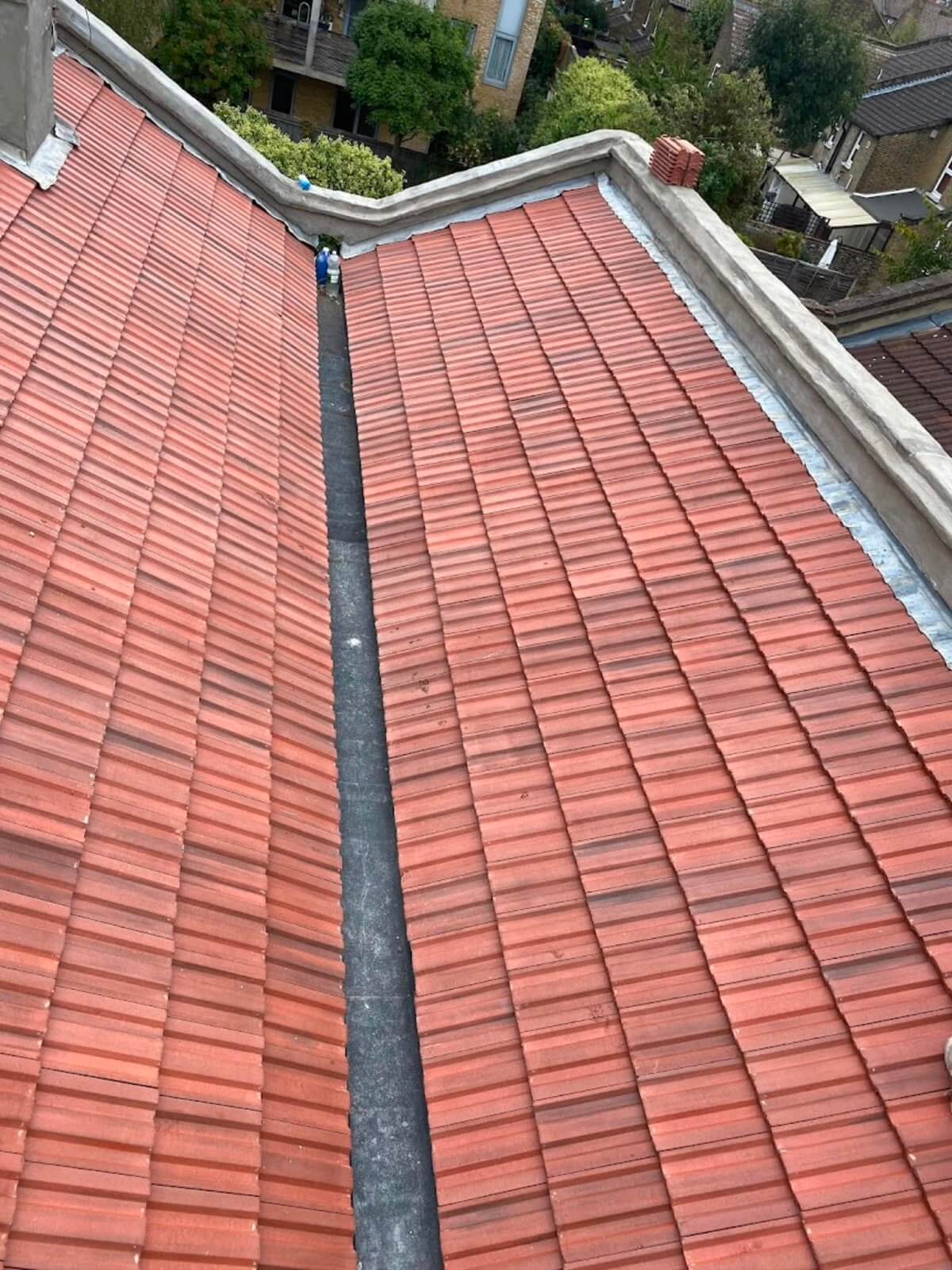
Concrete or clay roof tiles are common on newer Dublin estates built from the 1970s onward, and remain a solid, long-lasting option in the 50 to 60+ year range, with a wider range of colours and profiles available than slate.
We'll talk through what actually suits your property, your budget, and — if it's a period house — what's appropriate for the building, rather than pushing whichever material carries the best margin.
Frequently Asked Roofing Questions
How do I know if I need a full re-roof or just a bigger repair?
The honest answer requires a proper inspection rather than a guess, but the general pattern is: isolated damage with sound structure underneath is usually a repair, while widespread ageing, repeated failures, or structural timber issues point toward replacement. We'll give you a straight answer either way, including when the honest answer is that repair is still the right call for now.
Do I need planning permission for a new roof?
Generally no, if you're replacing like-for-like in terms of roof shape, height, and footprint — this typically falls under exempted development. It can be a different picture if you're changing the roof profile, adding dormers, or the property is in a protected structure or conservation area, which is worth checking before work starts if any of those apply to you.
Can you match a new roof to the original material on an older house?
Yes, and for period properties this matters more than people sometimes realise for both appearance and, in some cases, planning requirements. We'll talk through natural slate matching versus a reconstituted alternative and what's genuinely appropriate for your specific property.
What happens to the old roofing material once it's removed?
It's removed and disposed of responsibly as part of the job — you're not left with a skip of old slate or tile to deal with yourself, and this is factored into the quote upfront rather than added as a surprise cost afterward.
Will you need scaffolding for my roof?
Almost certainly, for anything beyond a single-storey structure — proper scaffolding isn't just a safety requirement, it's what allows the job to be done to a proper standard rather than rushed from a ladder. It's included in the quote, not billed separately after the fact.


More Roofing Services We Offer
One roofer, one crew, every job across Dublin, Kildare, and Wicklow — no subcontractors, no rotating faces, just written guarantees on everything we touch.


Get Your Roof Properly Assessed
Whether you're dealing with repeated repairs, a roof that's simply reached the end of its life, or you're just not sure which category yours falls into, get it properly assessed before deciding either way.
Call us today — free inspection, same-day response, 25-year guarantee on every new roof.
