
Slate Roofing Dublin — Installed and Repaired to Last a Lifetime
Why Slate Is Still the Standard Across Dublin
Slate has been the default roofing material on Dublin houses for well over a century, and it's not sentiment keeping it that way — it's performance.
A properly laid slate roof can outlast almost every alternative material by decades, which is exactly why so much of the city's older housing stock, from Georgian terraces to 1930s semis, is still sitting under its original slate today.
That longevity only holds up if the roof was laid correctly to begin with. A slate roof isn't just slates nailed to battens — it's a system of overlap, gauge, and fixing that has to be right for the slate to actually shed water the way it's designed to.
Get any one of those wrong and you get a roof that looks fine for a few years and then starts failing slate by slate, which is a huge amount of what we're called out to fix on roofs that were never quite right in the first place.

Fully Insured, No Call-Out Fees, Fast Response
Natural vs Reconstituted Slate
Natural slate — quarried stone, typically Welsh, Spanish, or Irish in origin — is the material most older Dublin roofs were built with, and it's still the benchmark for longevity, often lasting 80 to 100+ years when properly maintained. It's heavier, more expensive, and requires more skill to lay well, since every natural slate varies slightly in thickness and has to be sorted and graded before it goes on the roof.
Reconstituted or fibre-cement slate is a manufactured alternative, made to a consistent size and thickness, which makes it faster and cheaper to install and easier to source an exact match for repairs. It's a perfectly legitimate choice for a lot of homes, particularly newer builds, but it typically has a shorter lifespan than natural slate — often in the 40 to 60 year range depending on the product — and it's worth knowing which one you actually have before deciding whether a problem area needs a repair or signals the whole roof is nearing the end of its life.
We'll always tell you honestly which type is on your roof and what that means for repair versus replacement decisions, rather than treating every slate roof the same regardless of material.


Recent Work We Done In Dublin
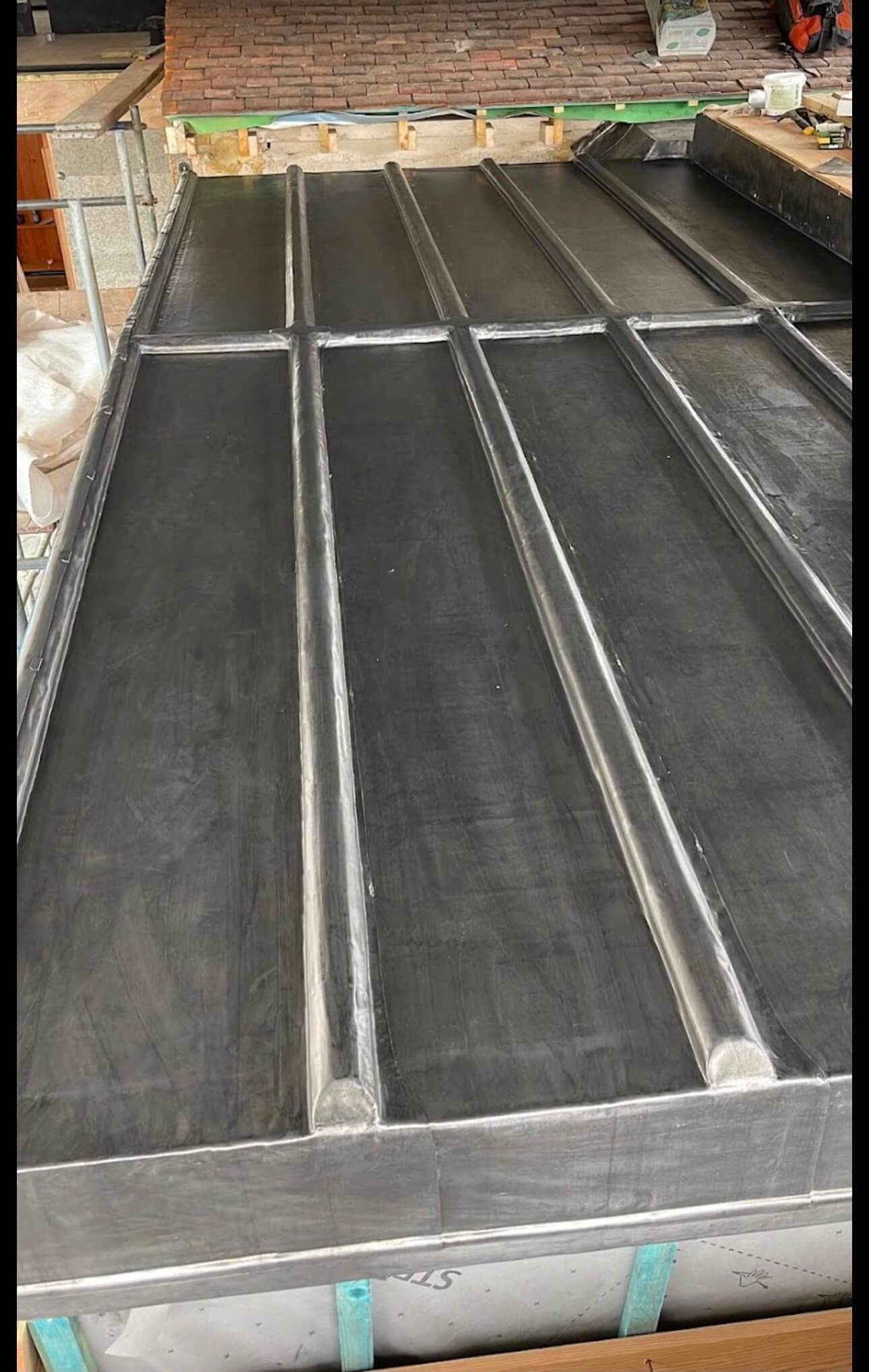
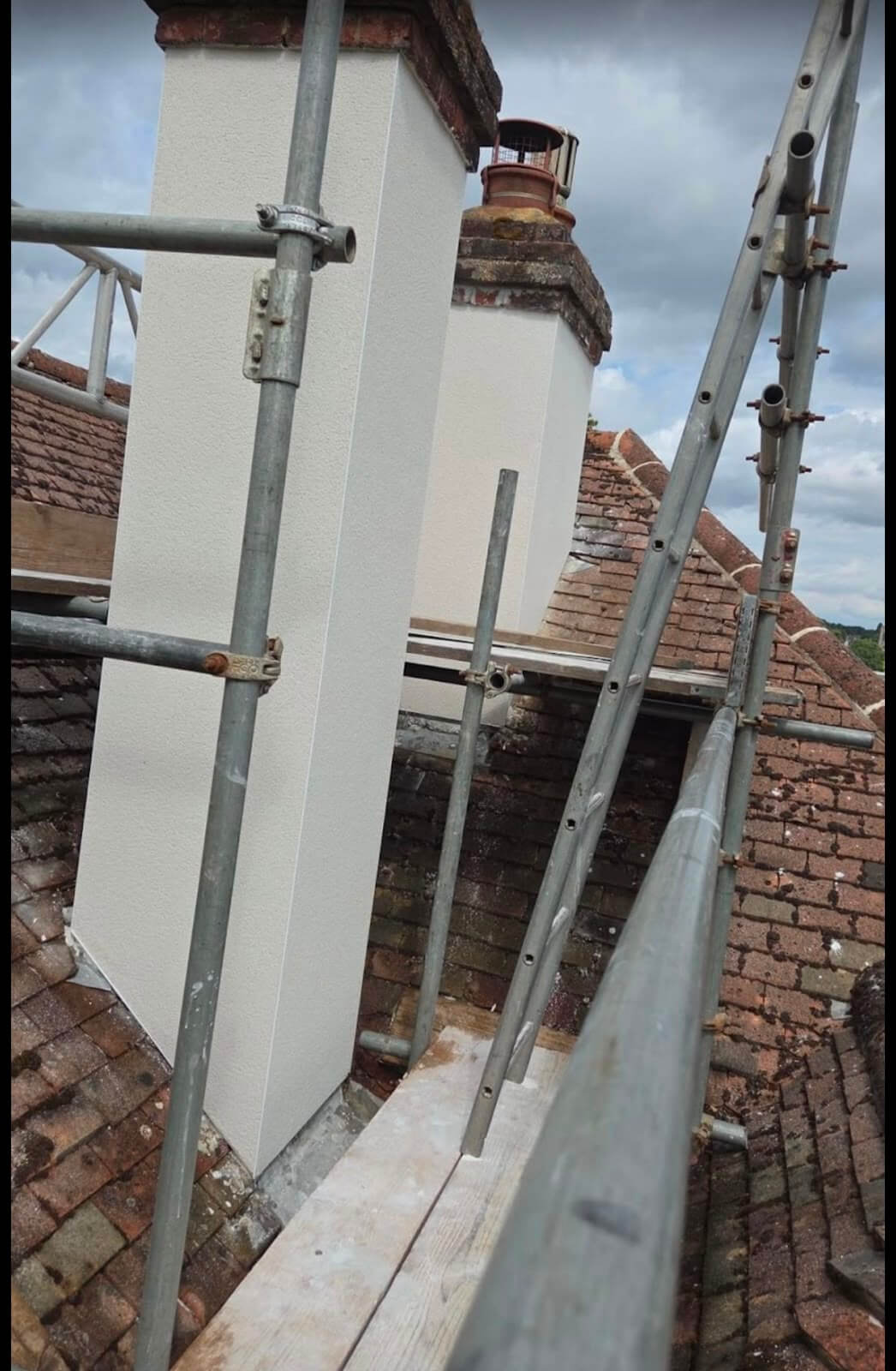
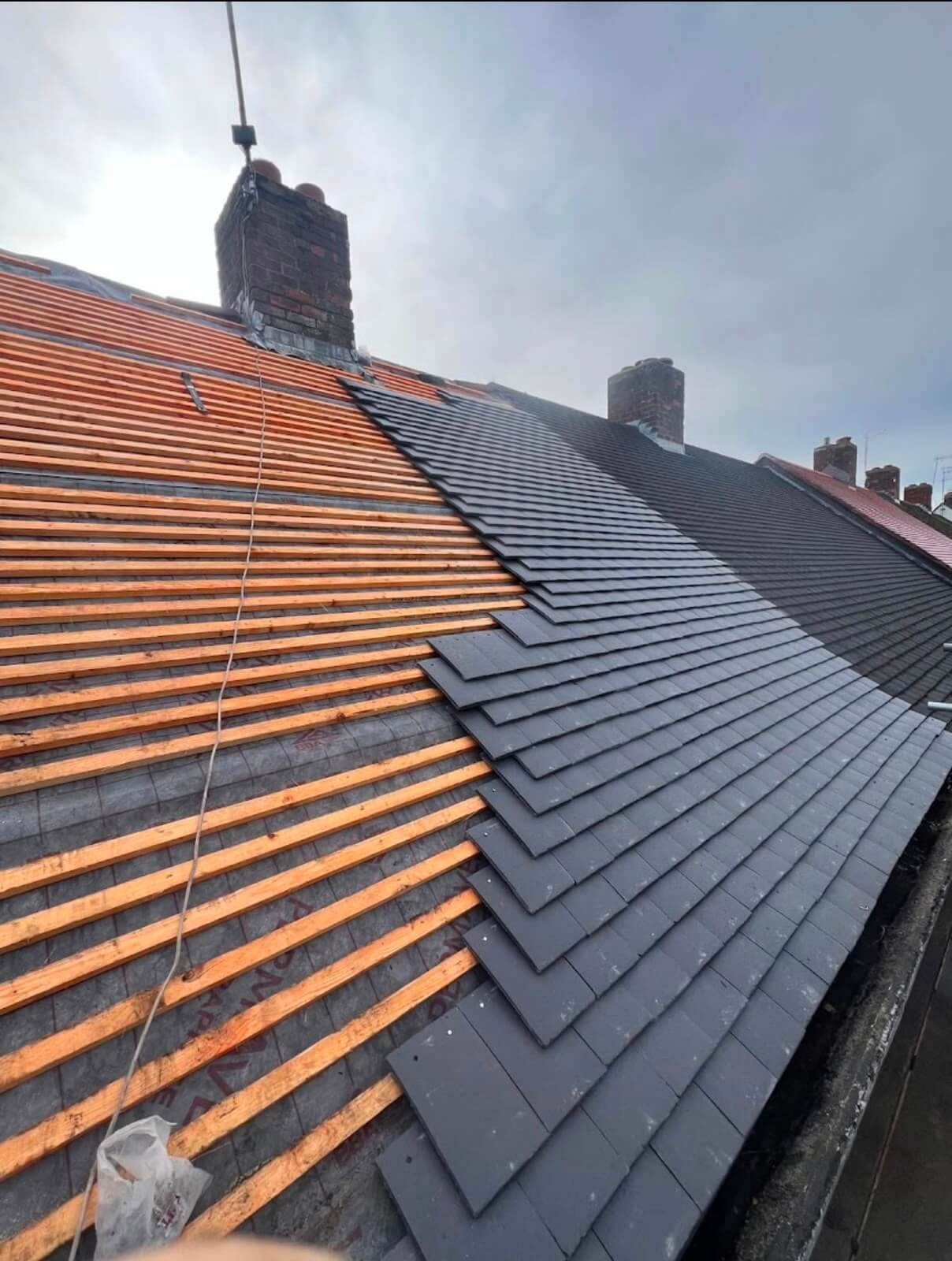
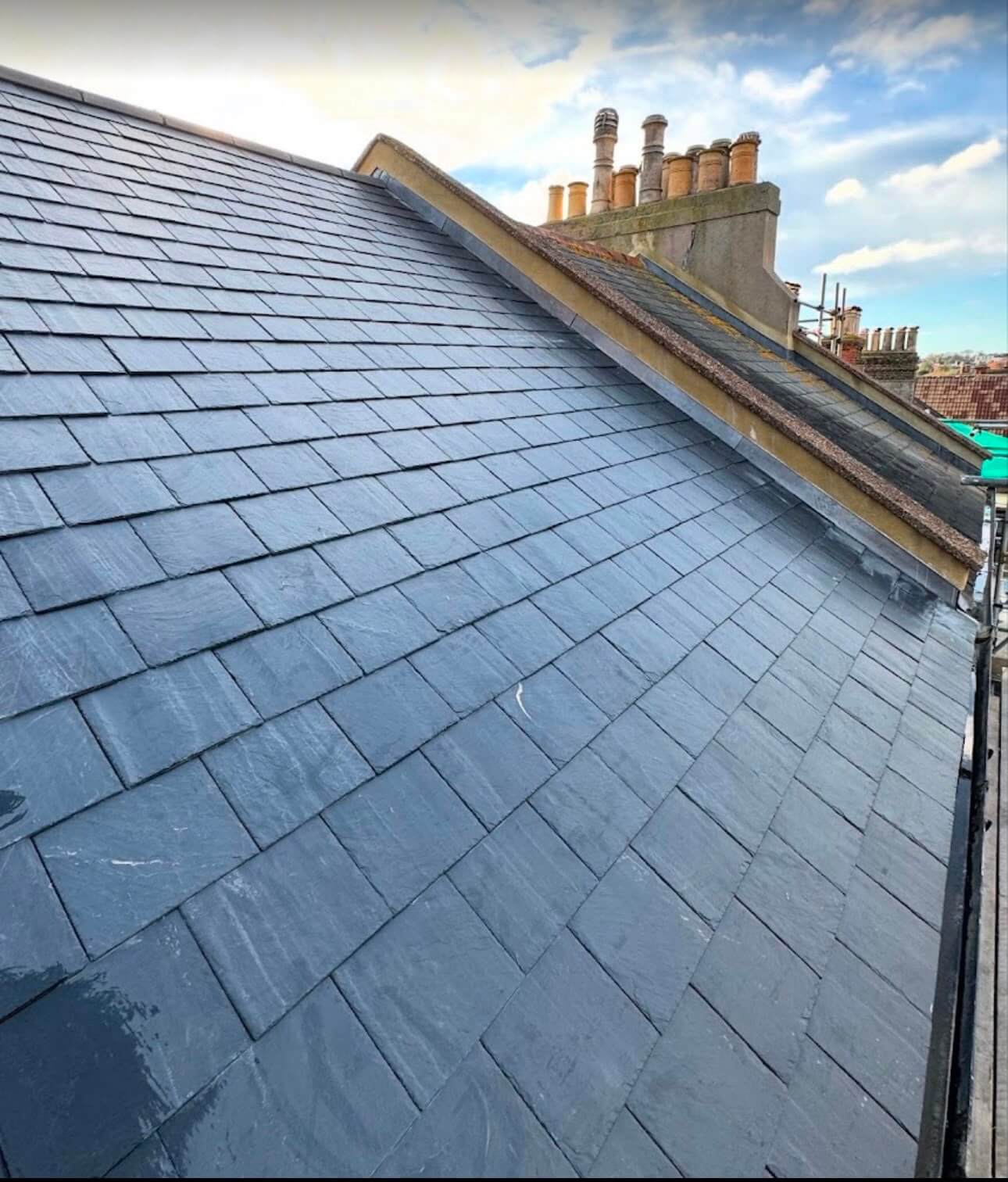
Matching Slate on Repairs and Extensions
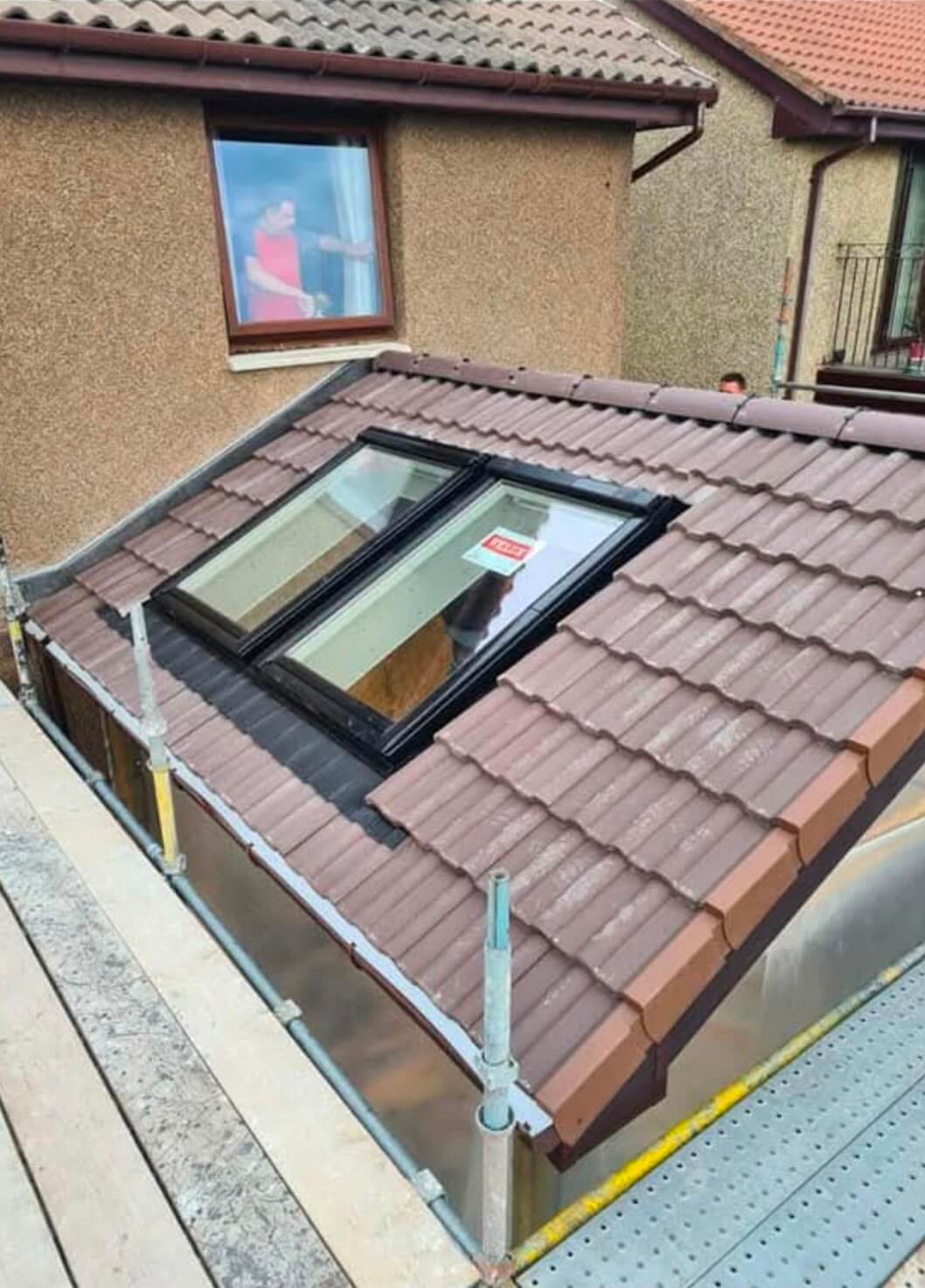
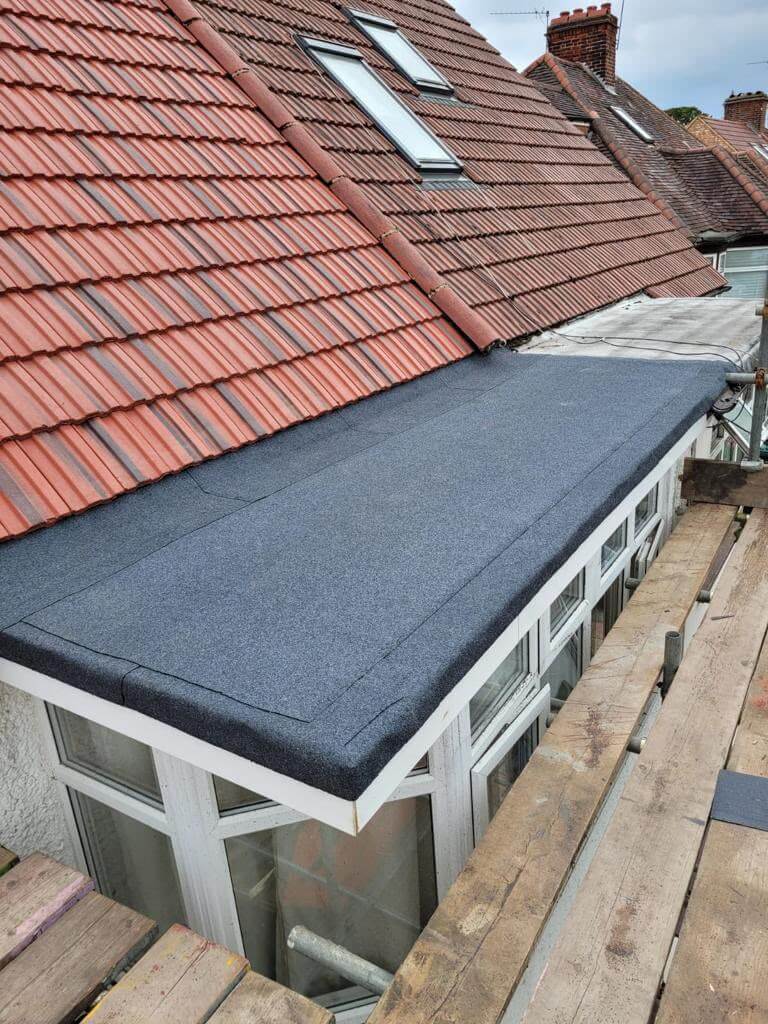
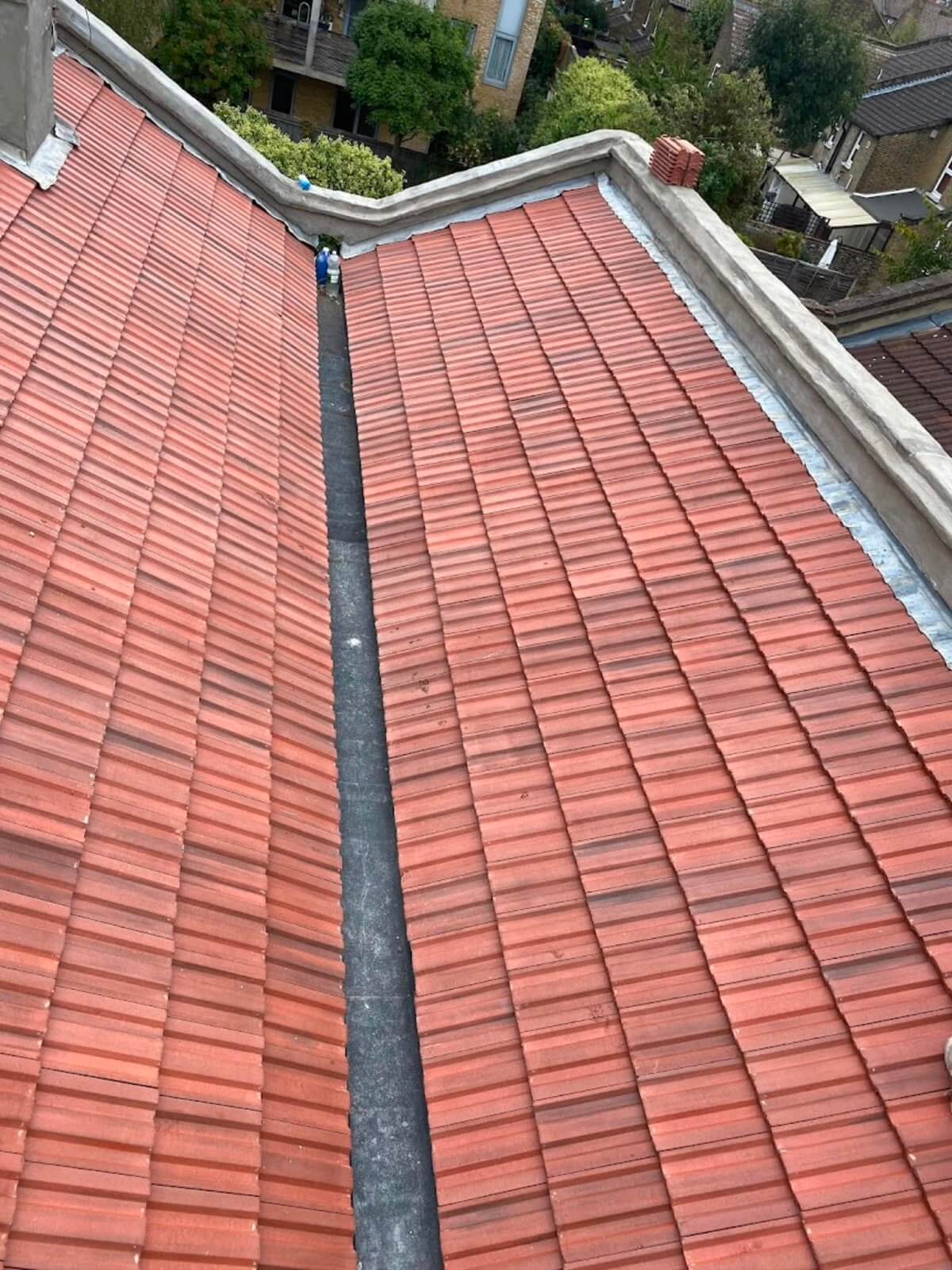
One of the most common calls we get isn't a full roof — it's matching new slate to an existing roof, whether that's replacing a handful of slipped slates or tying a new extension roof into an older original one. This is genuinely harder than it sounds: slate colour weathers and fades unevenly over decades, thickness and texture vary between quarries and eras, and a mismatched patch is one of the most visible signs of a rushed repair job.
We source slate as close a match as realistically possible for size, colour, and thickness, and we're upfront when an exact match isn't available — sometimes the better option is using close-match slate on a less visible slope and saving any reclaimed or better-matched material for the front elevation, rather than pretending a mismatch won't be noticeable.
Full Re-Slating: What Actually Goes Into It
A full re-slate is more than stripping the old slate and nailing on new. Once the roof's stripped back, the battens and rafters are inspected properly for the first time in decades — this is often when rot, sagging, or old damage that's been hidden under the slate for years finally gets found and dealt with, rather than covered back up and left for the next roofer to discover.
Underlay goes down next, and this is one of the biggest quality differences between a proper re-slate and a rushed one. Older roofs were often built with no breathable membrane at all, or a bituminous felt that's degraded badly by the time a re-slate is needed. A modern breathable underlay lets moisture vapour escape from inside the roof space while still keeping wind-driven rain out — get a cheap or incorrectly fitted underlay in instead, and you can end up with condensation problems inside the roof that show up as damp long after the visible slate work looks perfect.
The slate itself is laid to a consistent gauge and lap — the exposed portion of each slate and the overlap onto the row below — calculated based on the roof pitch and the slate size being used. A shallower pitch needs a bigger overlap to shed water properly; get the gauge wrong and you're building in a leak risk from day one, regardless of how good the slate itself is. Every new slate roof we lay comes with a 25-year written guarantee, because getting this right the first time is the entire point.

Frequently Asked Roofing Questions
How do I know if my roof is natural or reconstituted slate?
It's genuinely hard to tell from the ground with confidence, since good reconstituted slate is designed to look close to natural. Thickness and edge texture are the real tells up close — natural slate has slight variation between individual pieces, while manufactured slate is uniform. We'll confirm which one you have as part of any inspection.
Is it worth repairing an old natural slate roof, or should I move to reconstituted slate instead?
If the natural slate itself is still sound and it's a batten or fixing issue causing the problem, repairing with matching natural slate is almost always the better long-term option, since a well-maintained natural slate roof will keep outlasting reconstituted alternatives. If the slate itself has widespread delamination, that's a different conversation, and we'll talk through both options honestly rather than defaulting to whichever is more expensive.
How long does a full re-slate actually take?
It depends on roof size and complexity — a straightforward semi-detached roof is a different timeline to a larger or more complex Victorian terrace roof with valleys and hips. We'll give you a realistic timeframe as part of the quote, based on the actual roof, not a generic estimate.
Can you re-use existing slate when re-slating a roof?
Sometimes, if the existing slate is genuinely sound and simply needs re-laying with new underlay and battens underneath — this is more common with high-quality natural slate that's outlasted the roof structure beneath it. We'll assess honestly whether the existing slate is worth reusing or whether it's reached the point where new material is the better investment.
Do you work with reclaimed slate for older or listed properties?
Yes, where it's genuinely the right call for matching an older roof's appearance — reclaimed natural slate is sometimes the only realistic option for a close match on period properties, and we'll source it where it makes sense for the job.


More Roofing Services We Offer
One roofer, one crew, every job across Dublin, Kildare, and Wicklow — no subcontractors, no rotating faces, just written guarantees on everything we touch.


Get Your Slate Roof Looked At Properly
Whether it's a handful of slipped slates, a roof that's due a full re-slate, or you're just not sure which category yours falls into, get it assessed properly before deciding either way.
Call us today — free inspection, same-day response, 25-year guarantee on new slate roofs, 15-year guarantee on repairs.
